





















Fellowship Program

The John T. Gorman Fellowship program is designed to build the individual and collective capacity of Maine leaders to drive measurable outcomes for children and their families.

Ensuring that all Maine children and families can thrive requires leaders who can work together to strengthen the systems, partnerships, and policies that shape their lives. The John T. Gorman Fellowship supports the development of such leaders, strengthening their individual leadership skills while building their collective capacity to improve outcomes for children and families.

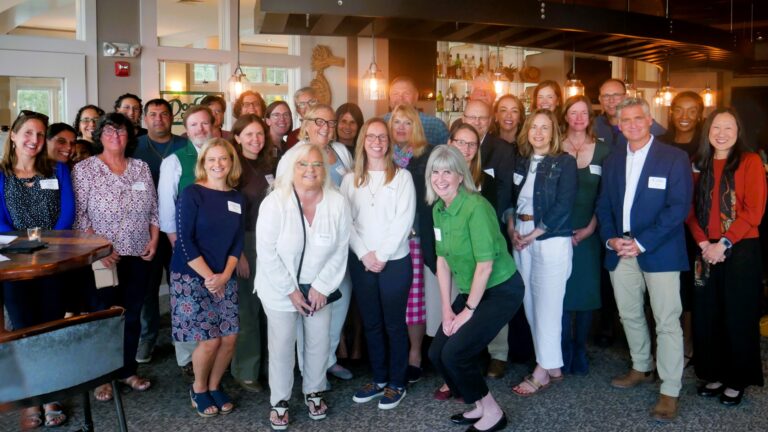
The Fellowship is a cohort-based program that brings together leaders from across sectors and the state for leadership development, coaching, and peer support. Over the course of 18 months, participants deepen their capacity to create lasting change within complex systems and apply their learning through action plans that address significant challenges affecting children and families in their communities. They also forge important connections with one another, creating opportunities for collaboration, support, and shared learning long after the program ends.

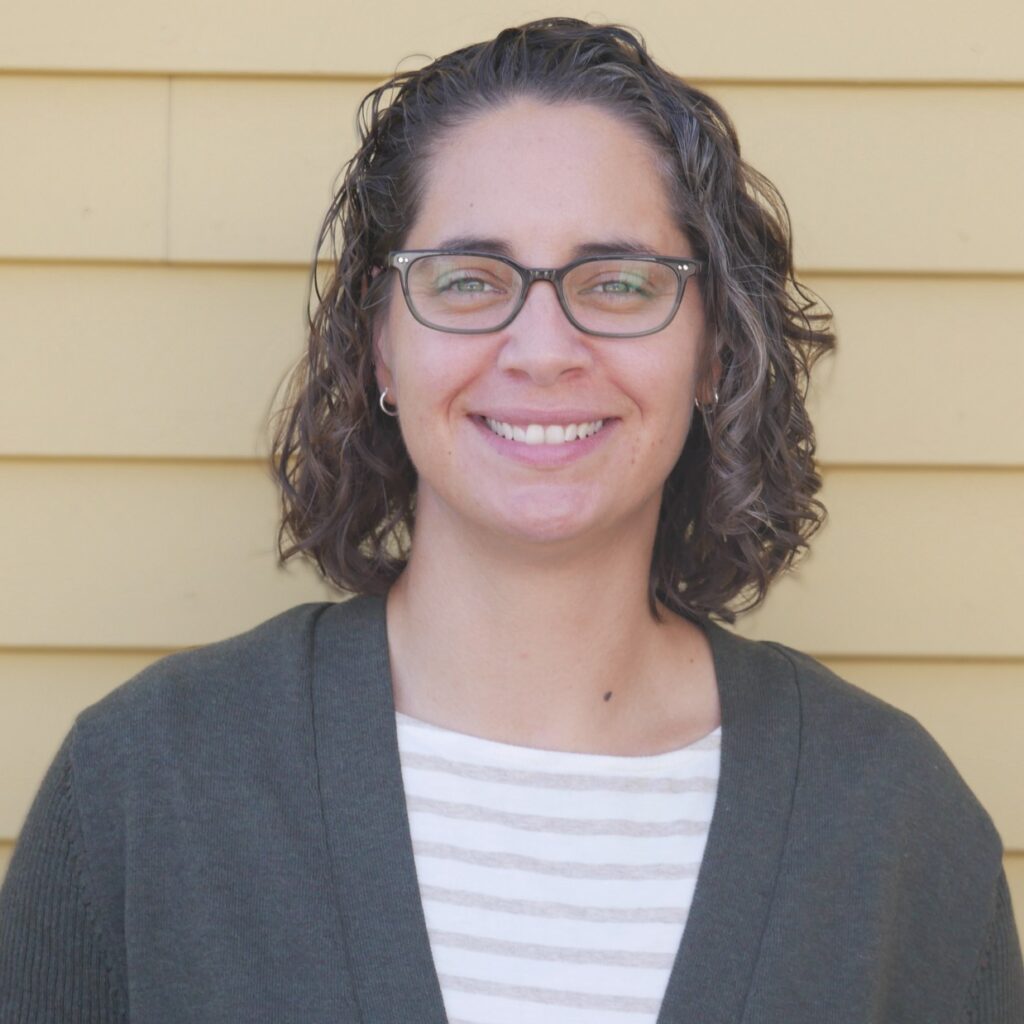
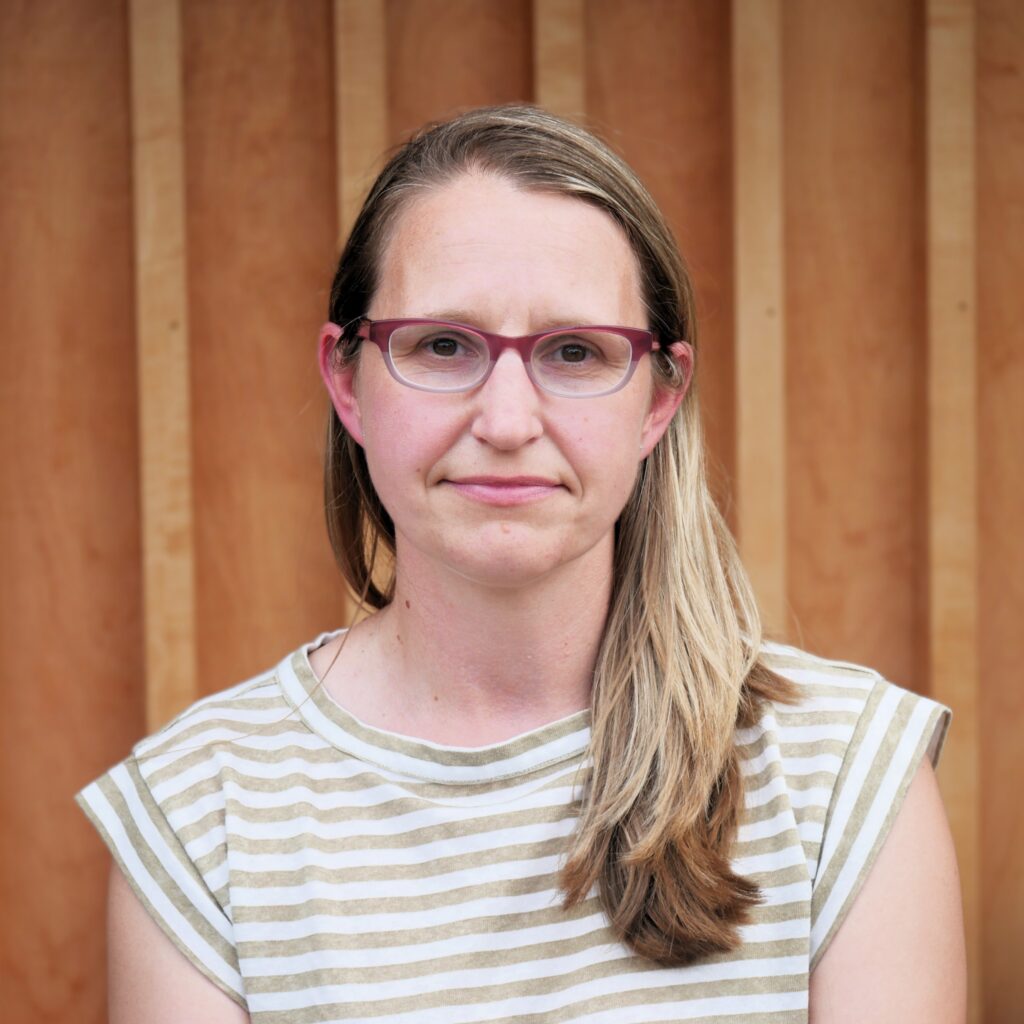
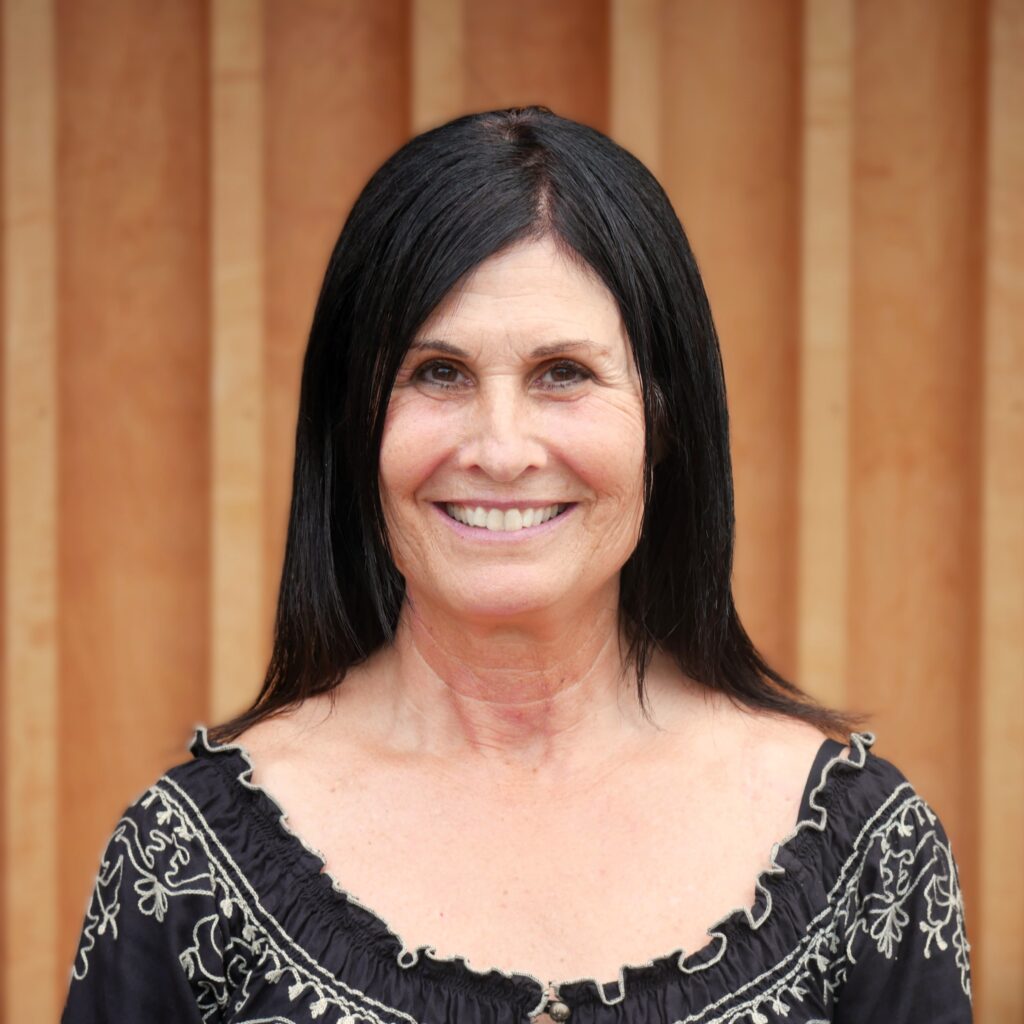
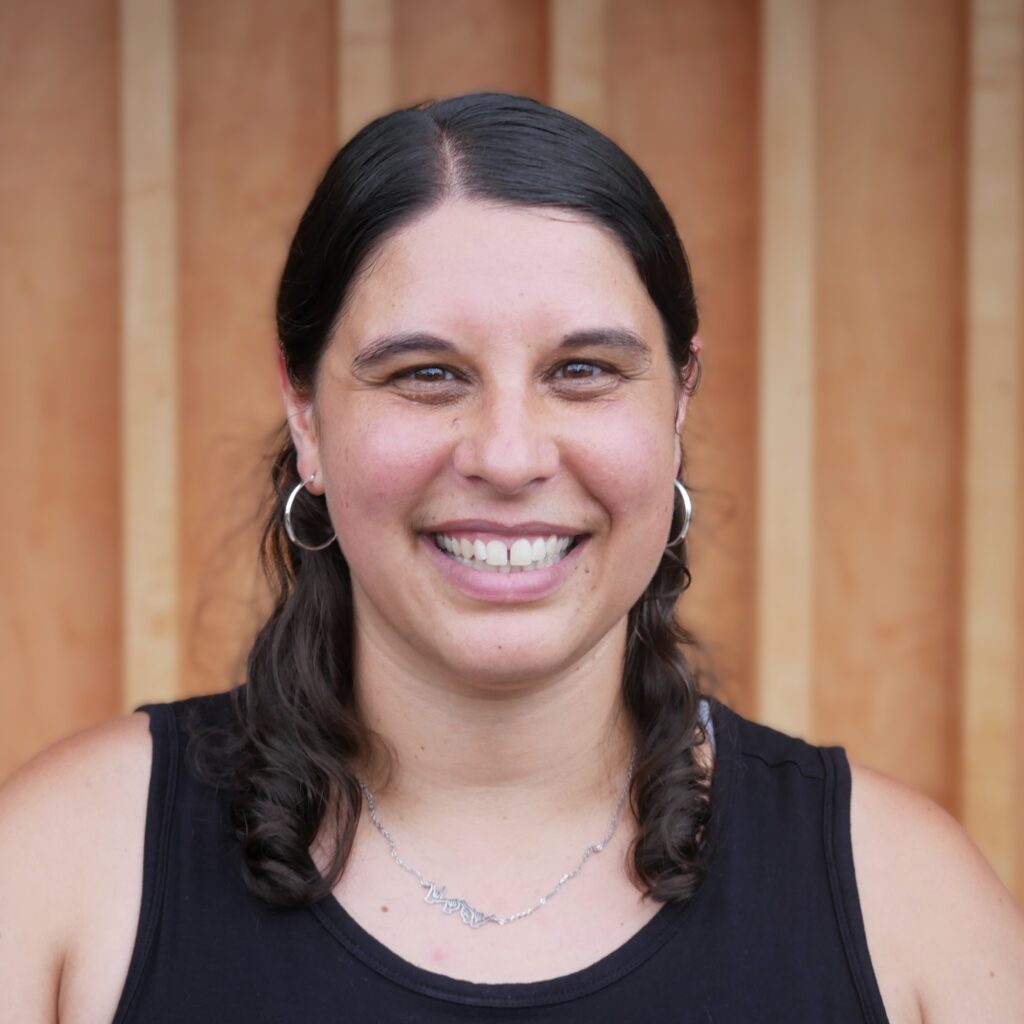
Since its launch in 2015, five cohorts – totaling 54 leaders from the nonprofit, advocacy, and government sectors – have completed the Fellowship. You can read more about this exceptional network of leaders below or click here for reflections from several Fellows on how the program has impacted their work.

Please note: Fellows are identified below with the titles and organizations they held at the time of their participation in the Fellowship. Where applicable, current roles have been included on their individual bio pages.

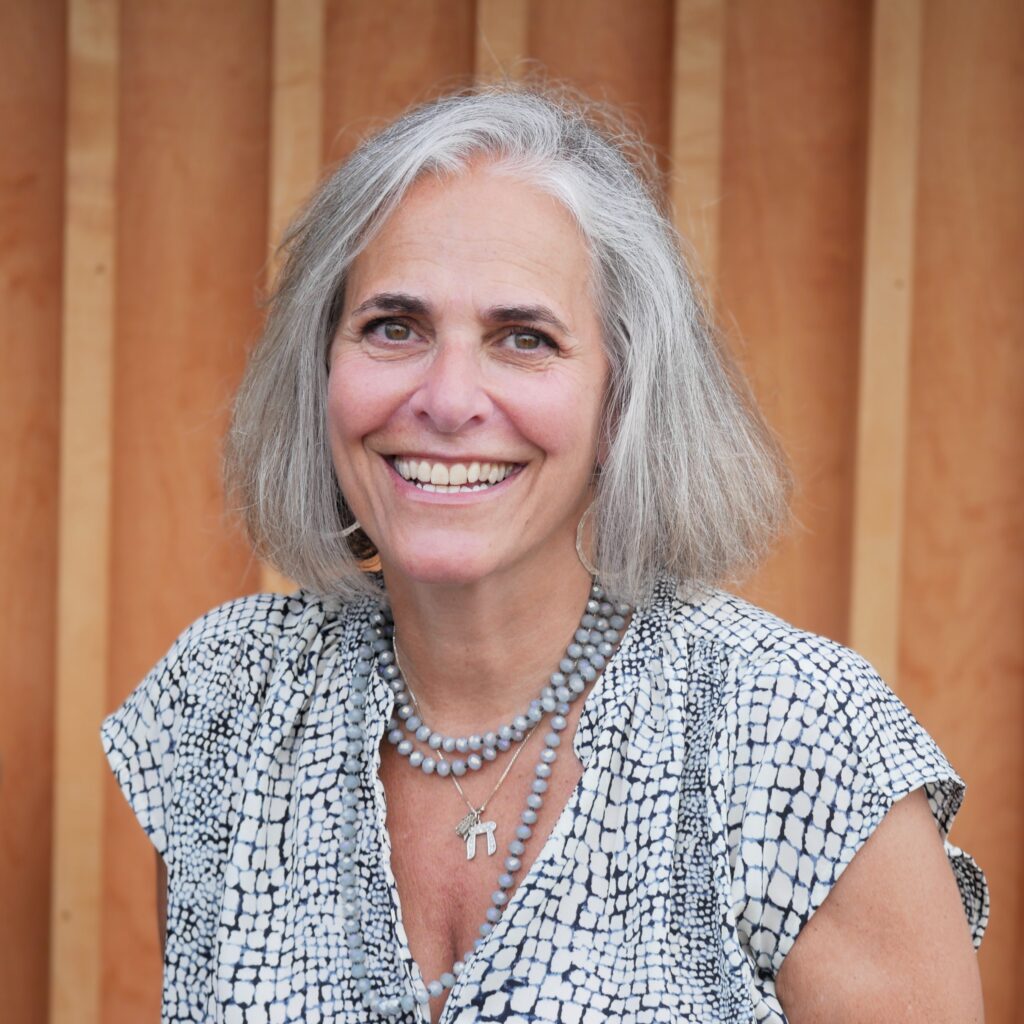
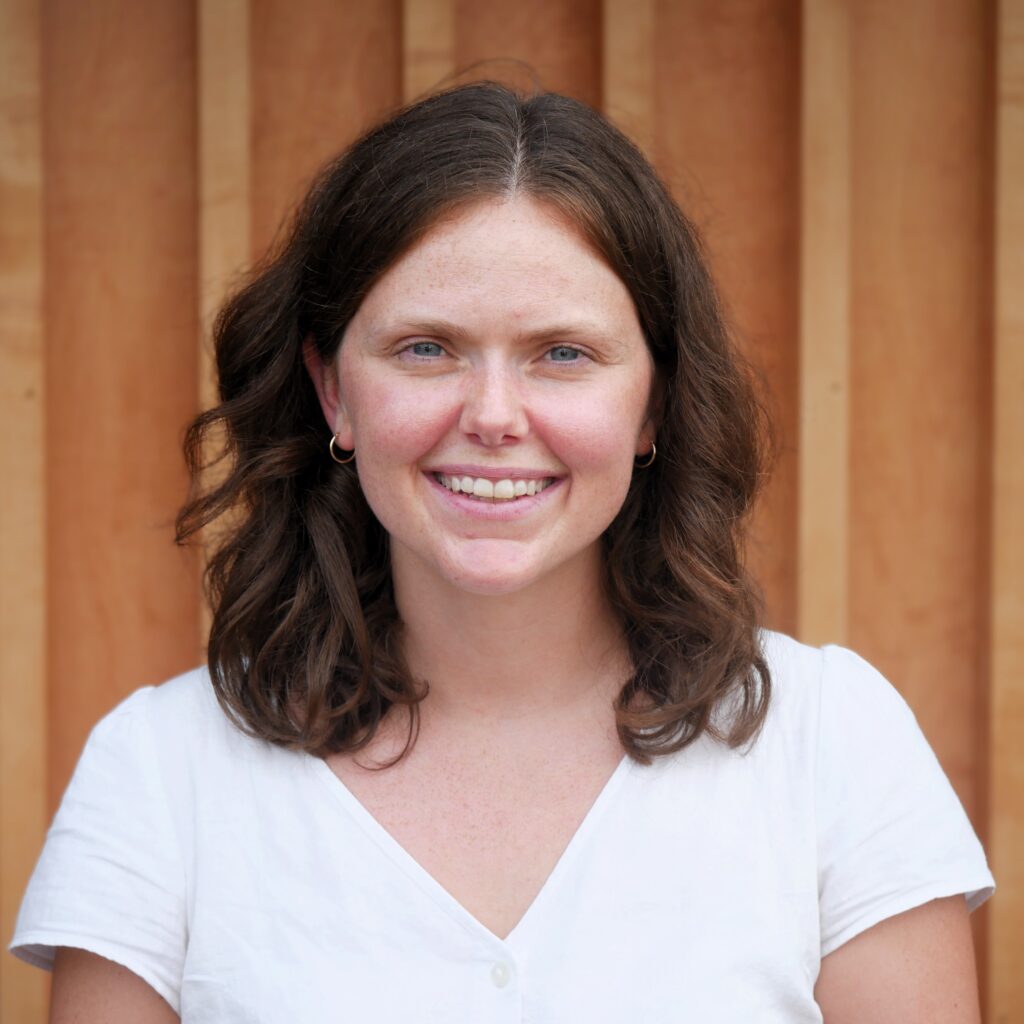
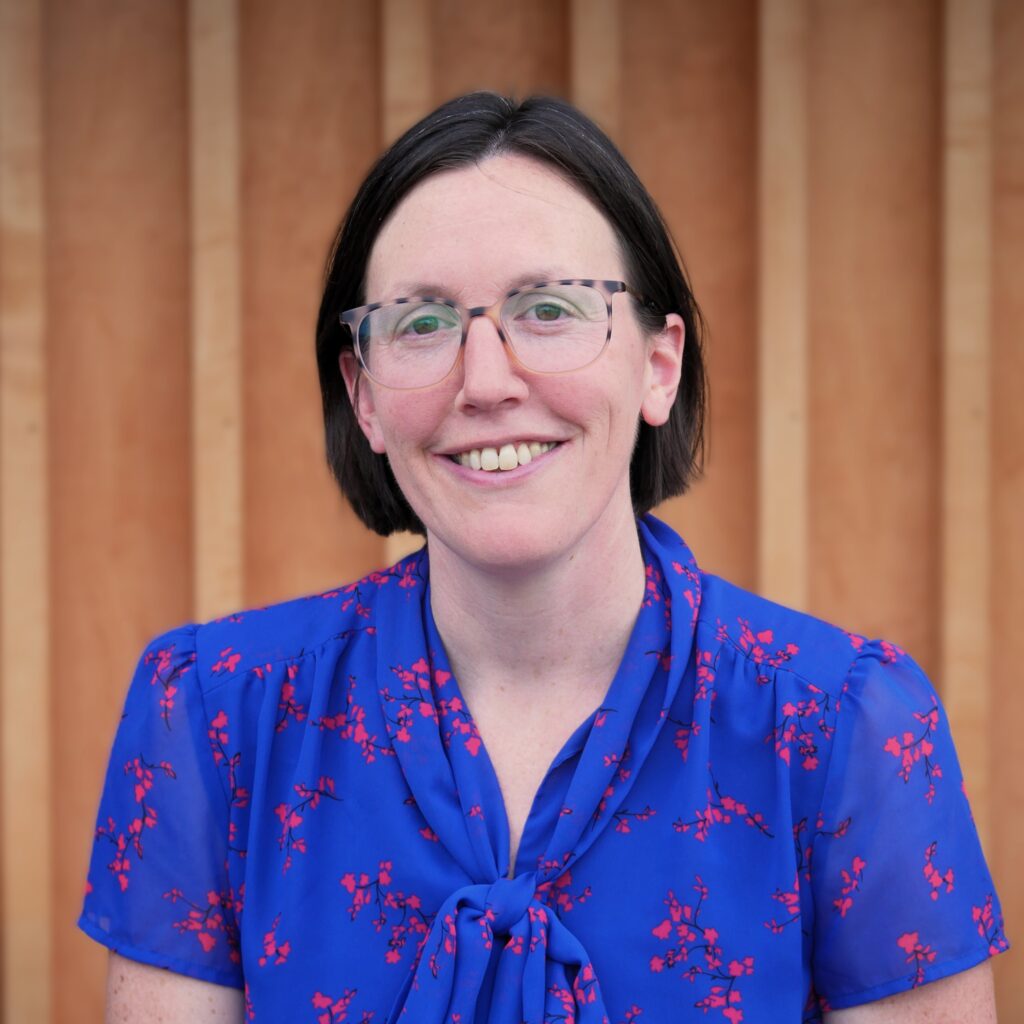
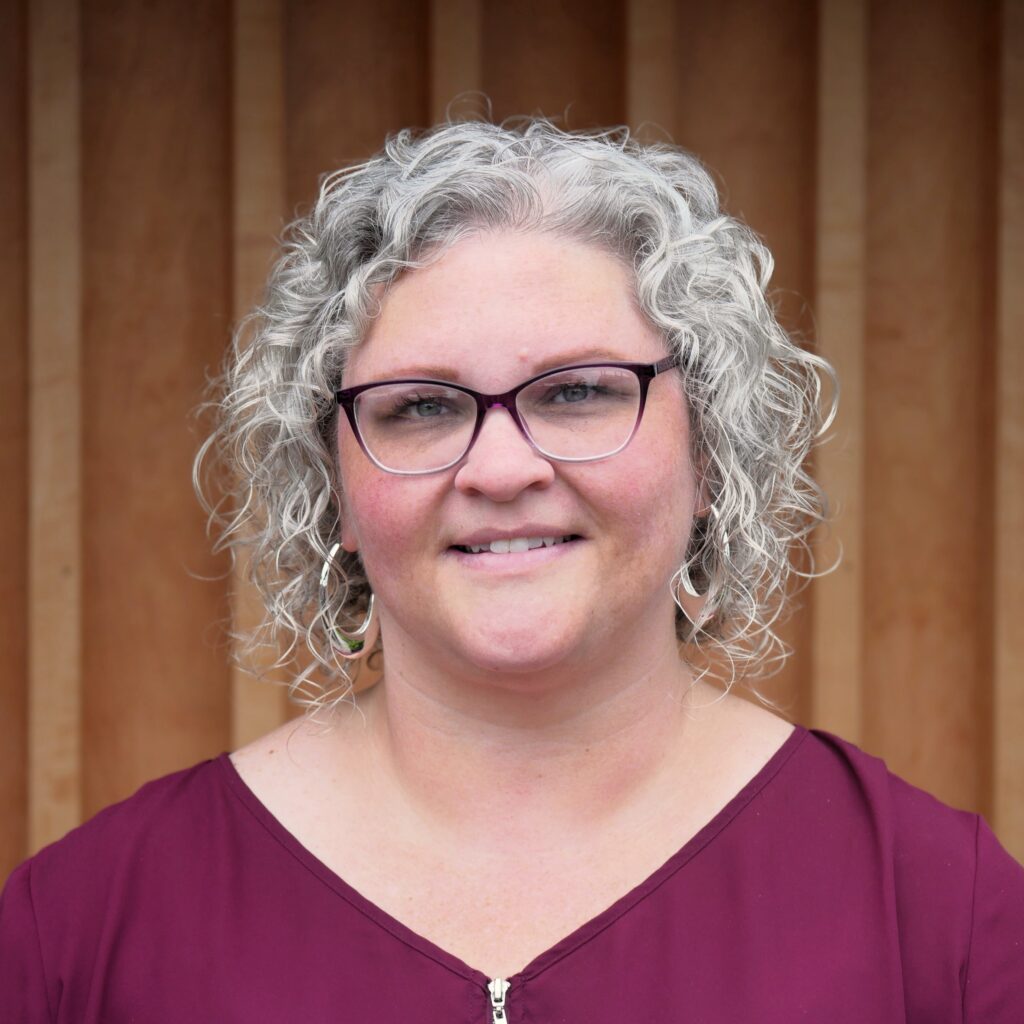
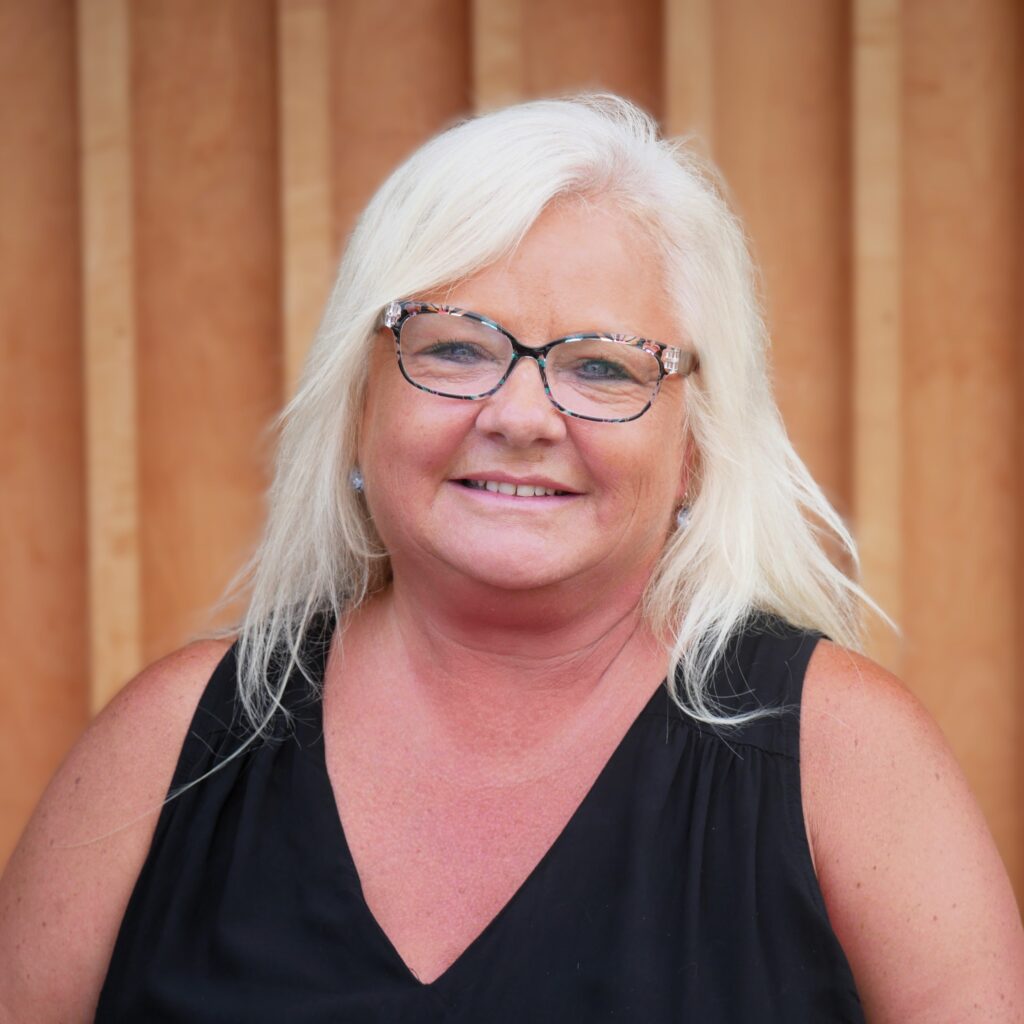
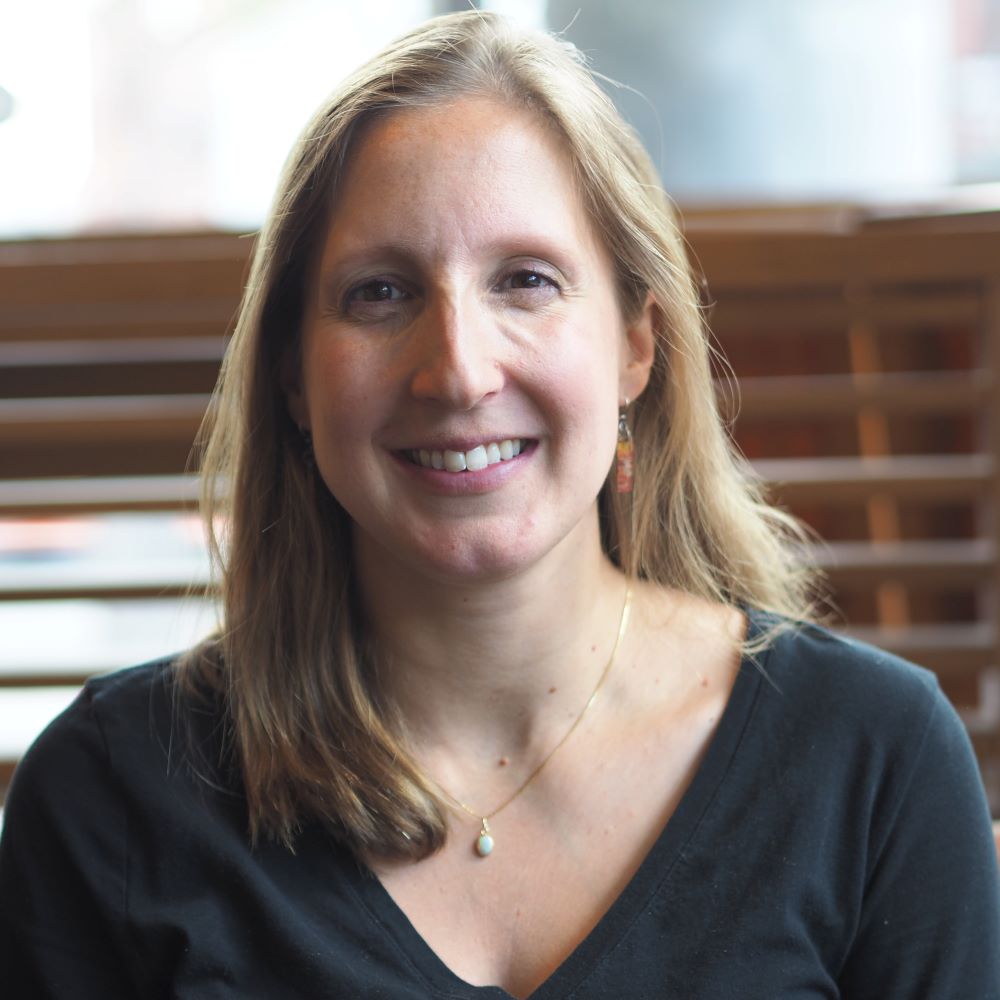
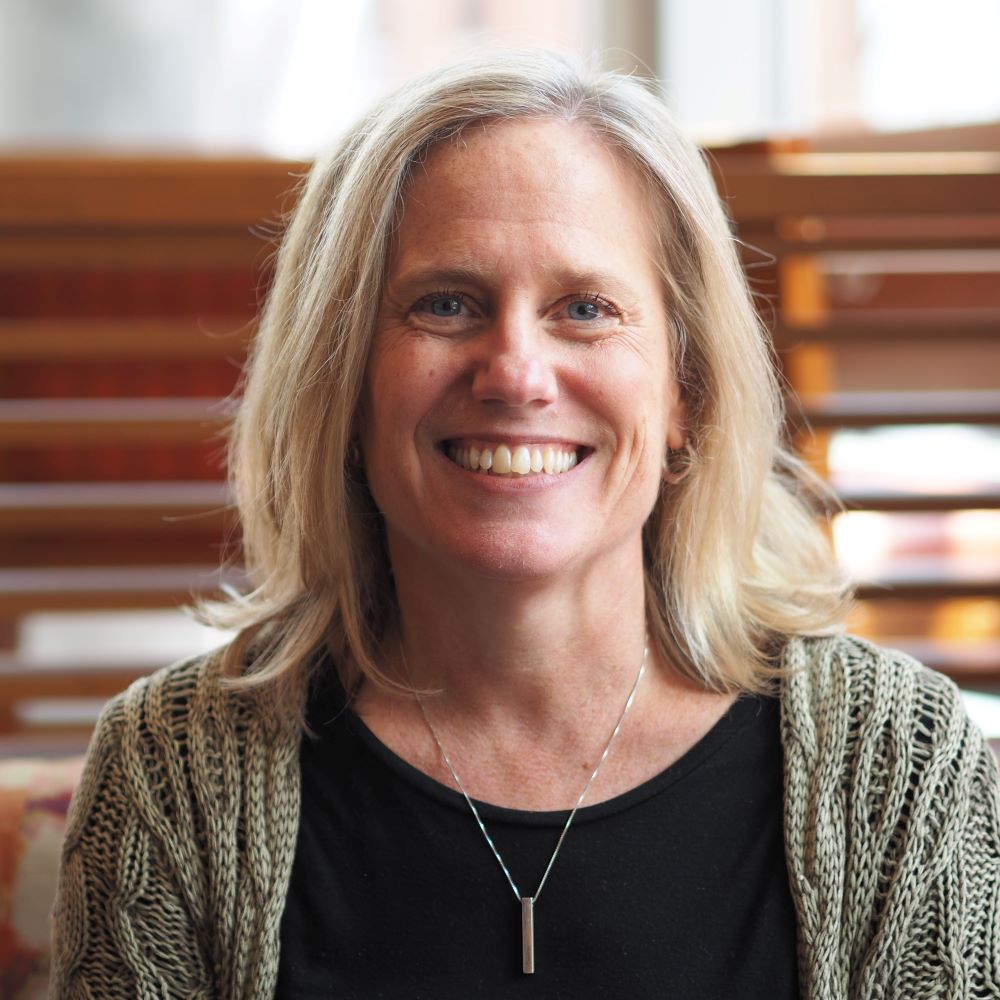
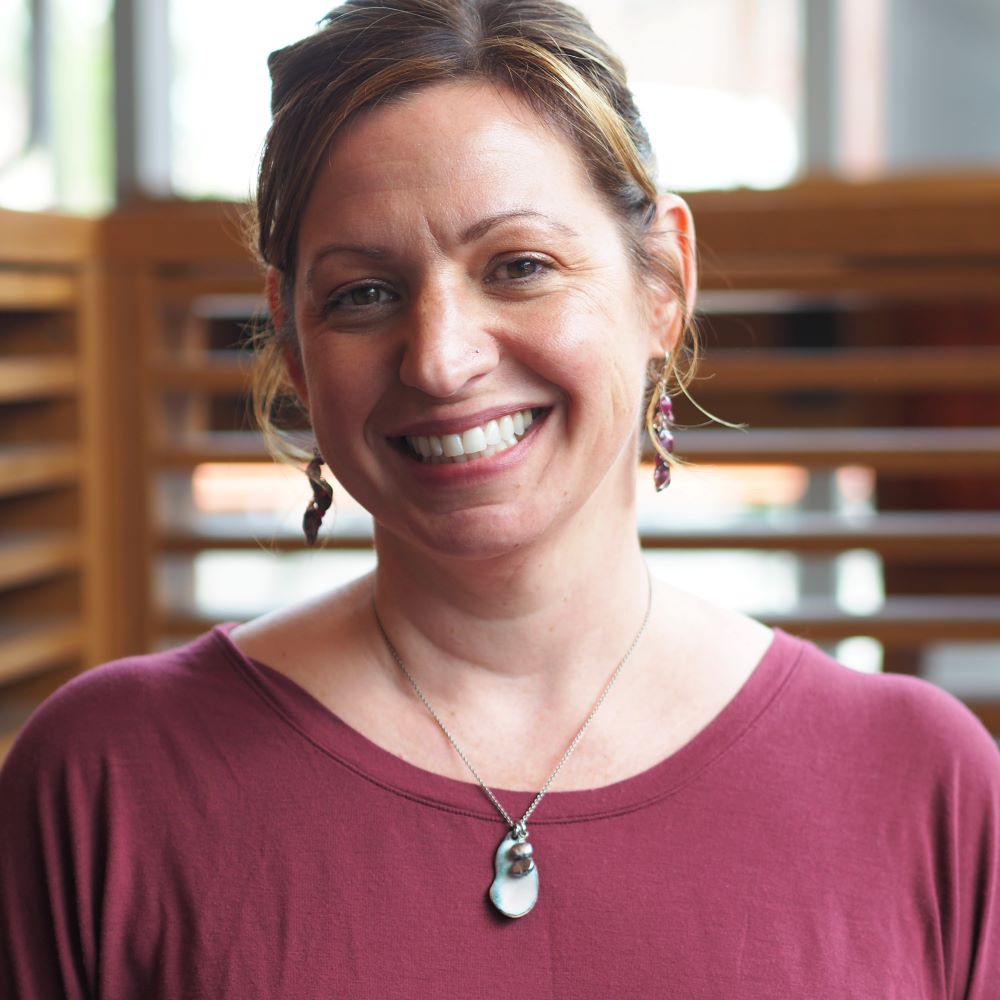
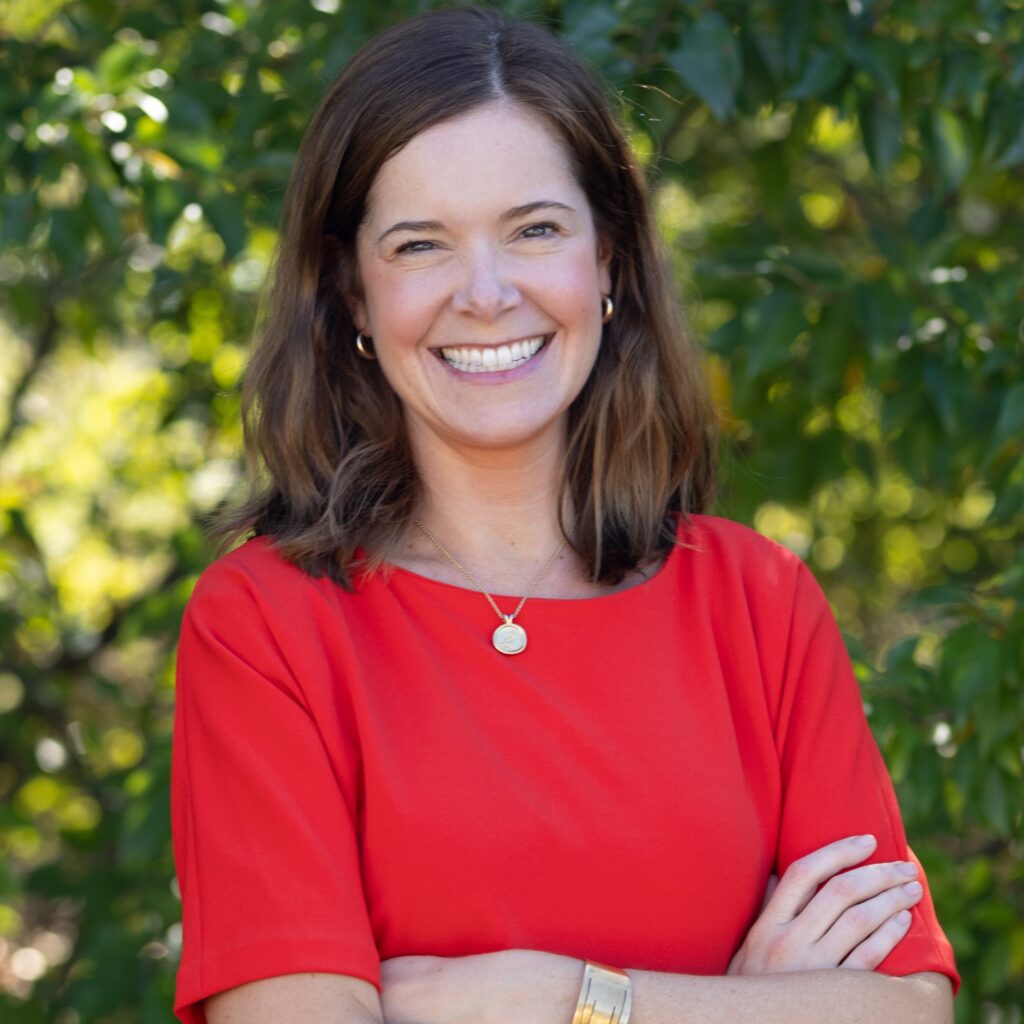
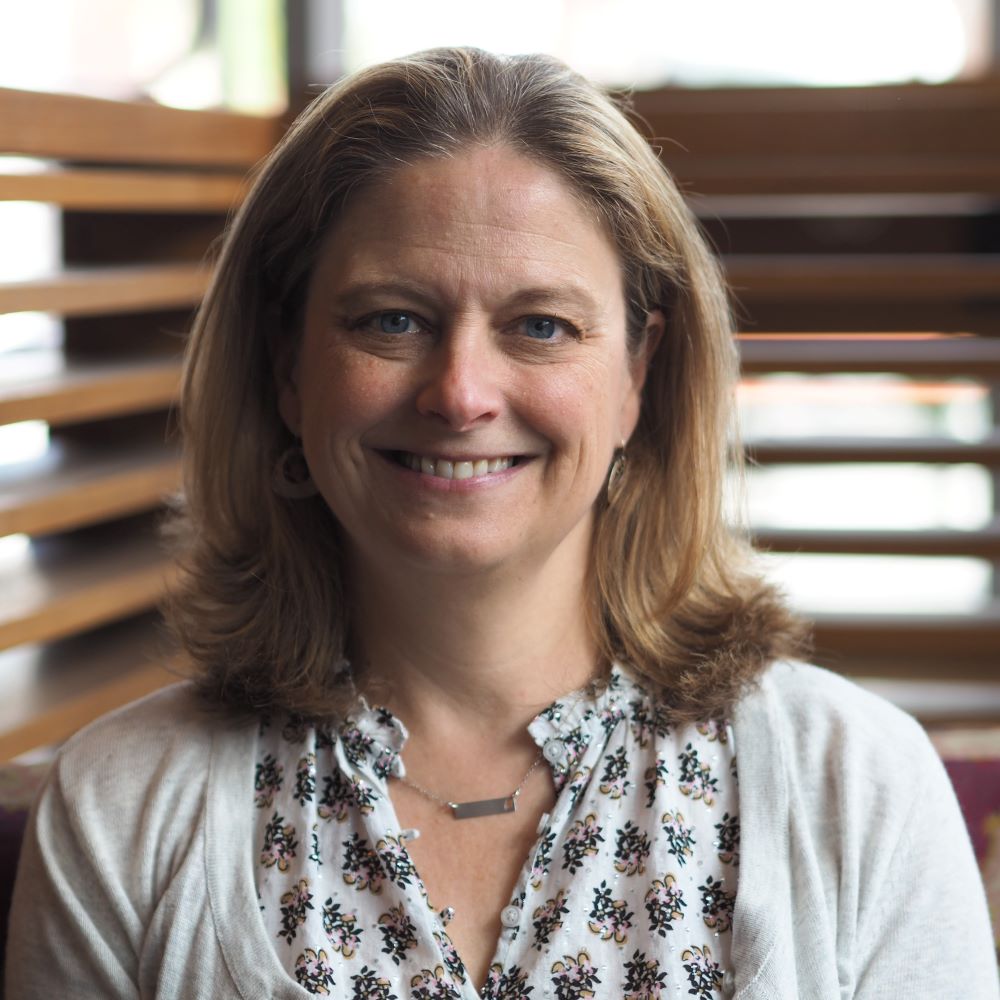
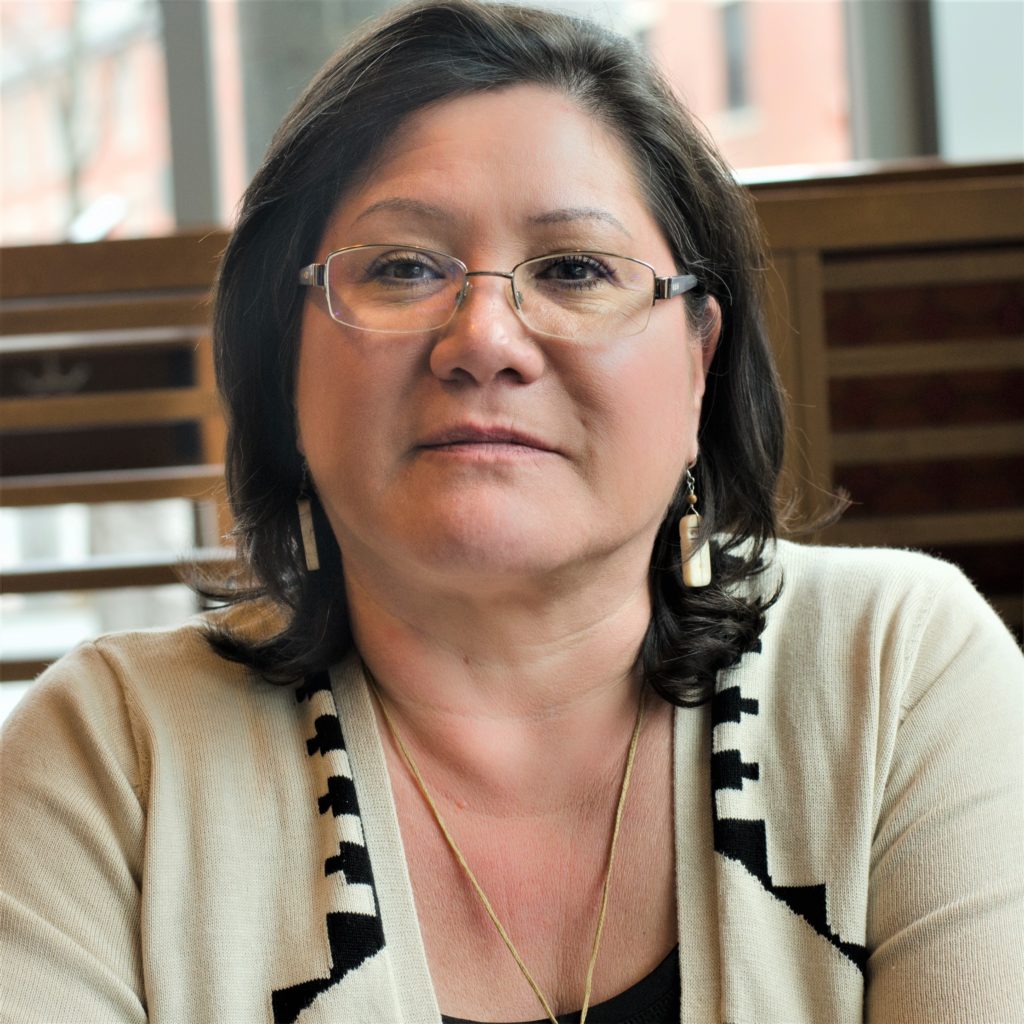
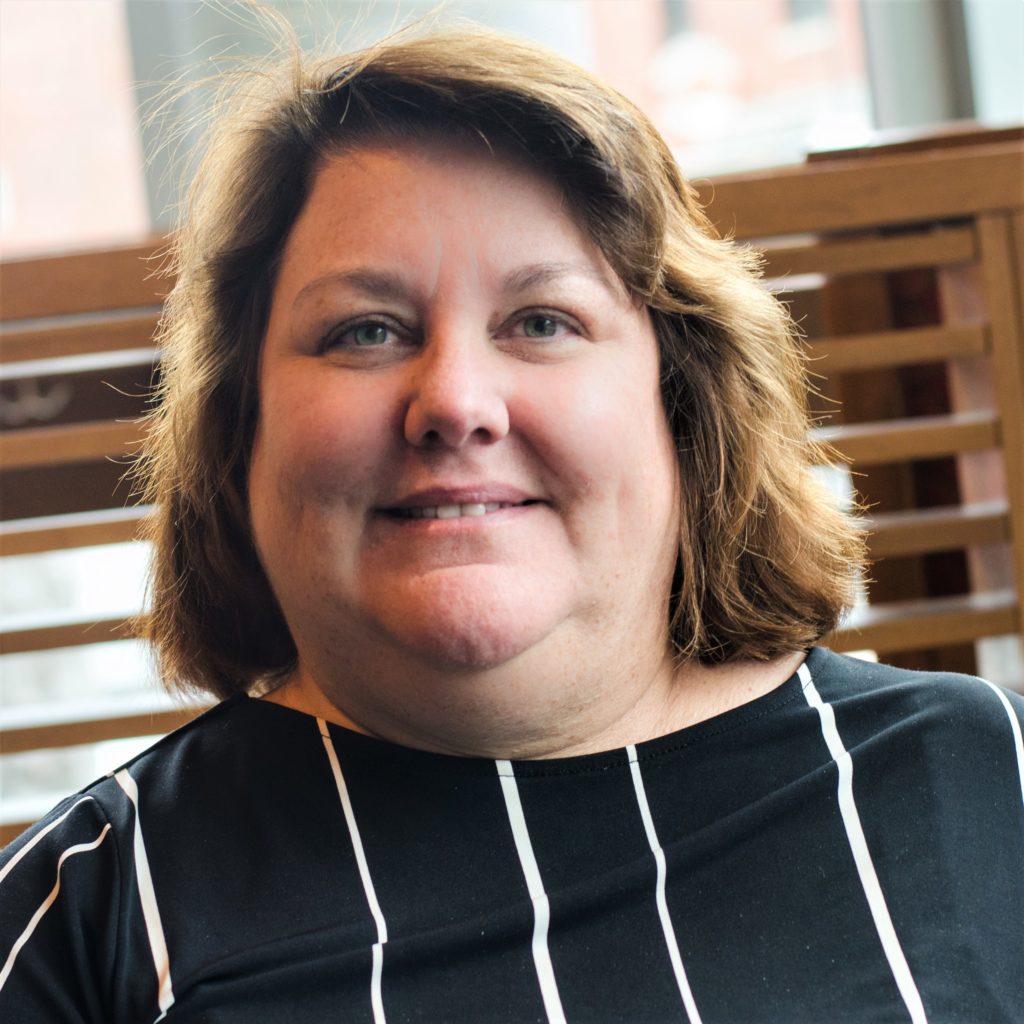
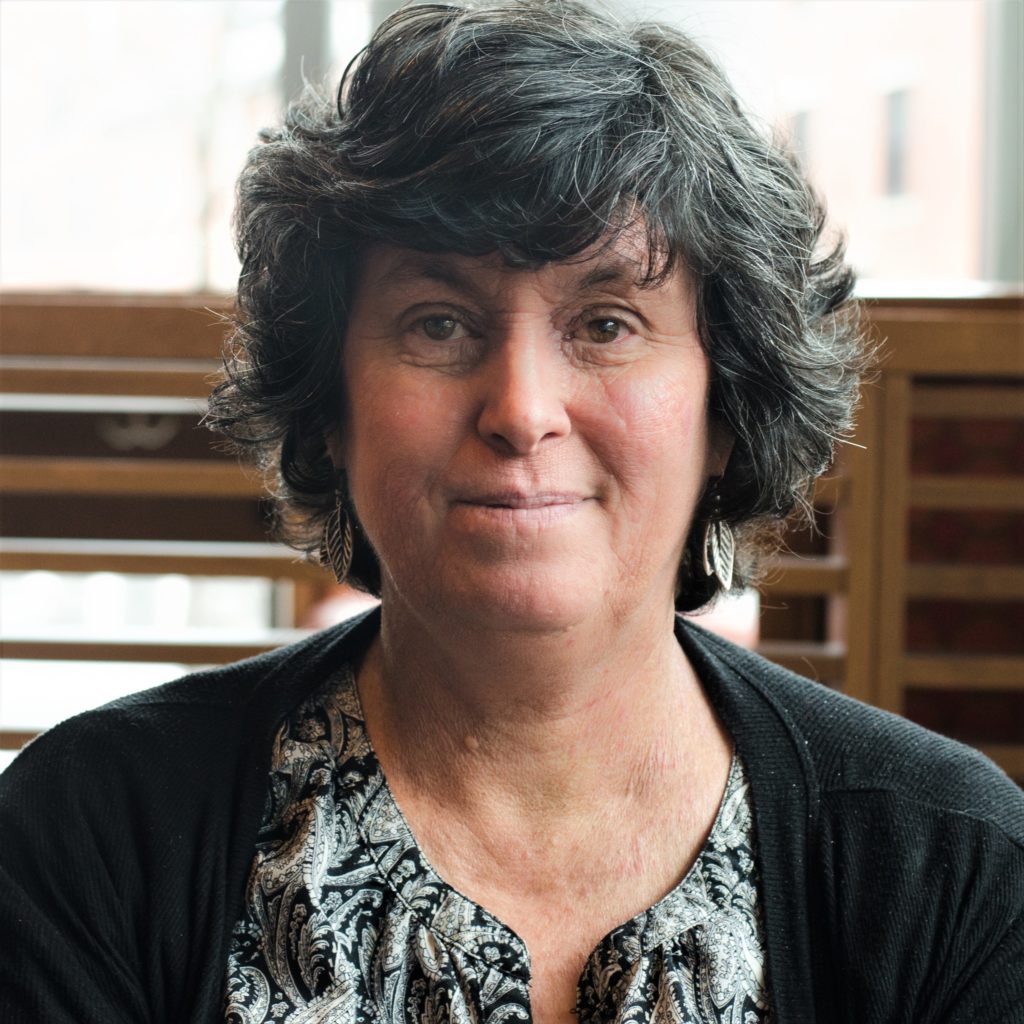
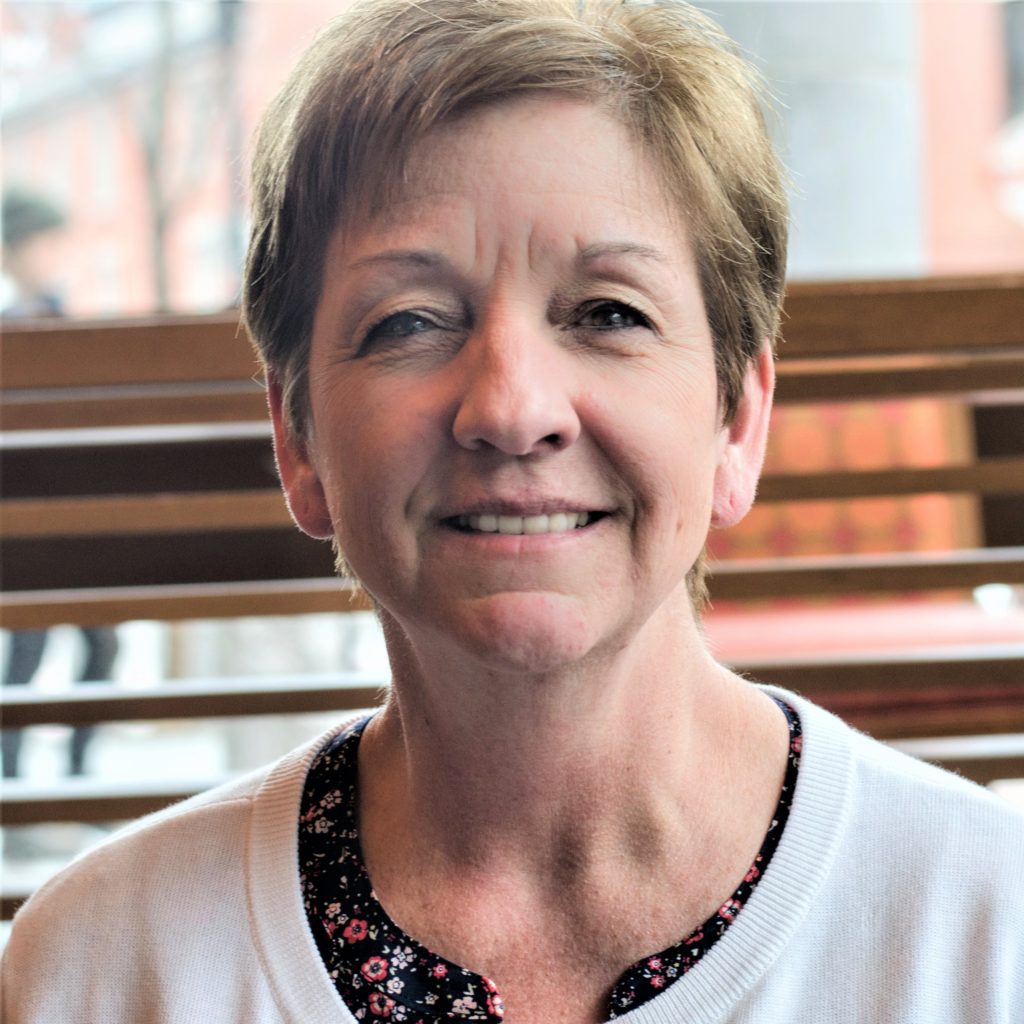
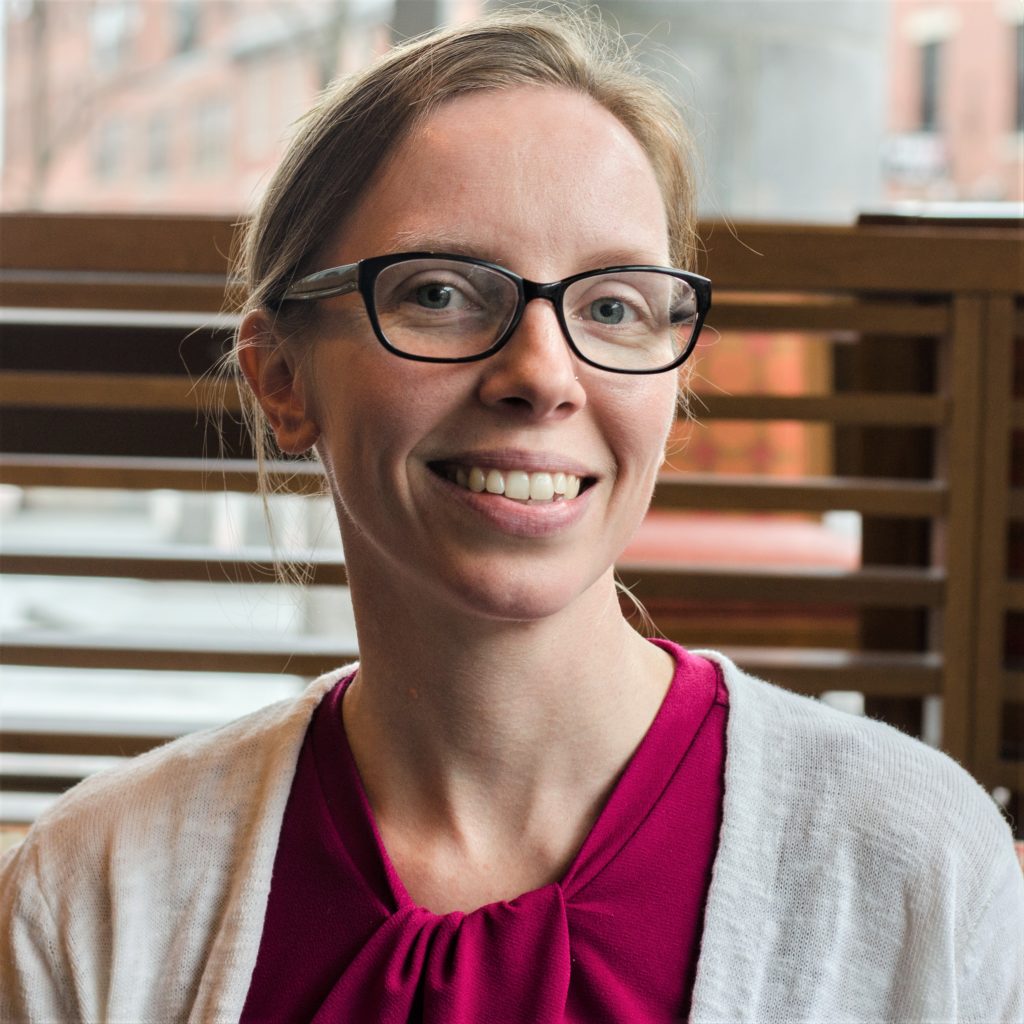
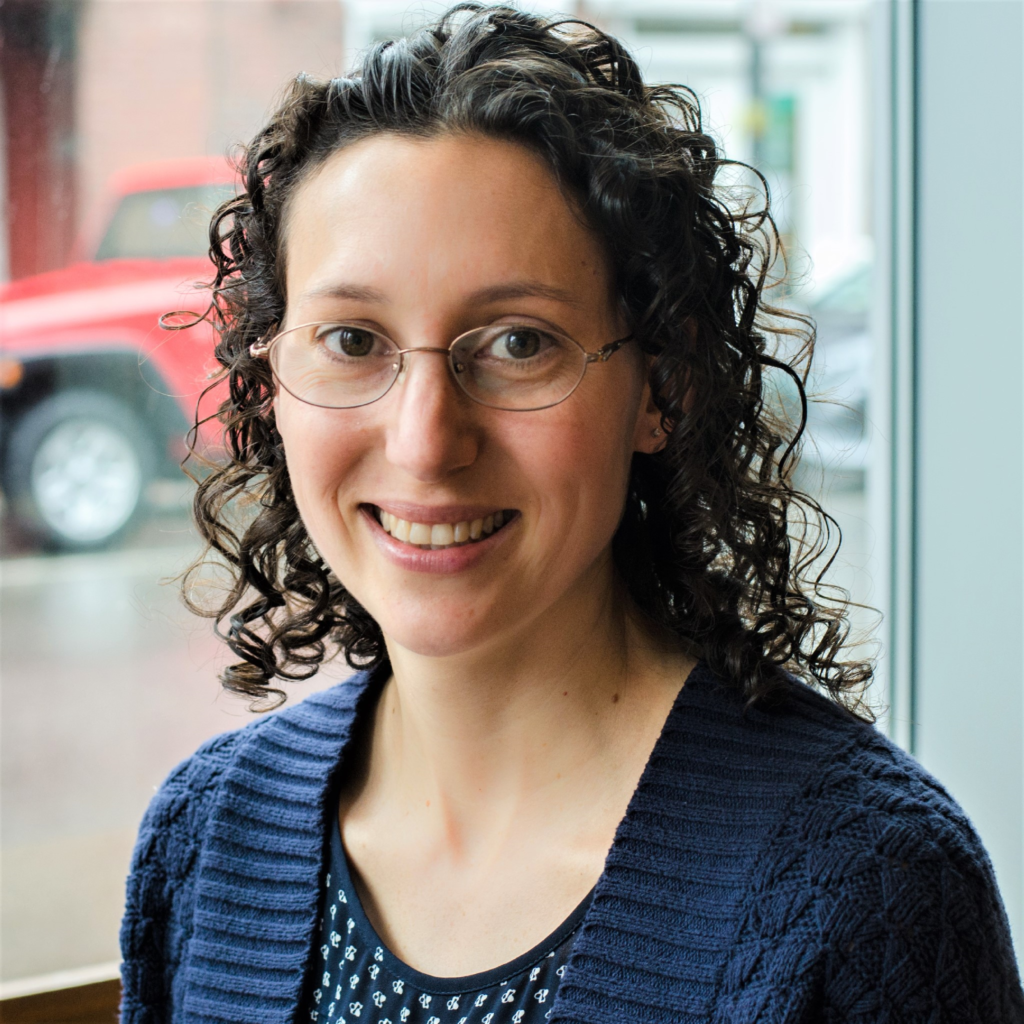
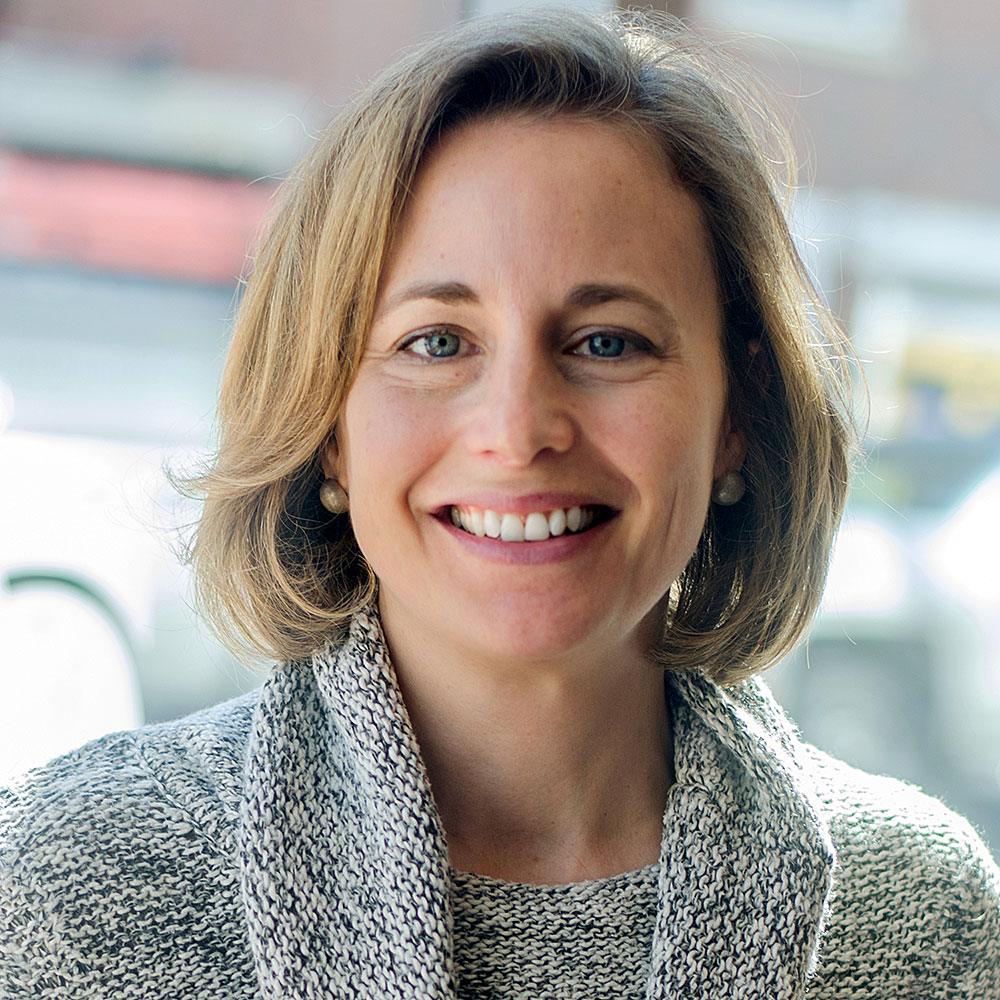
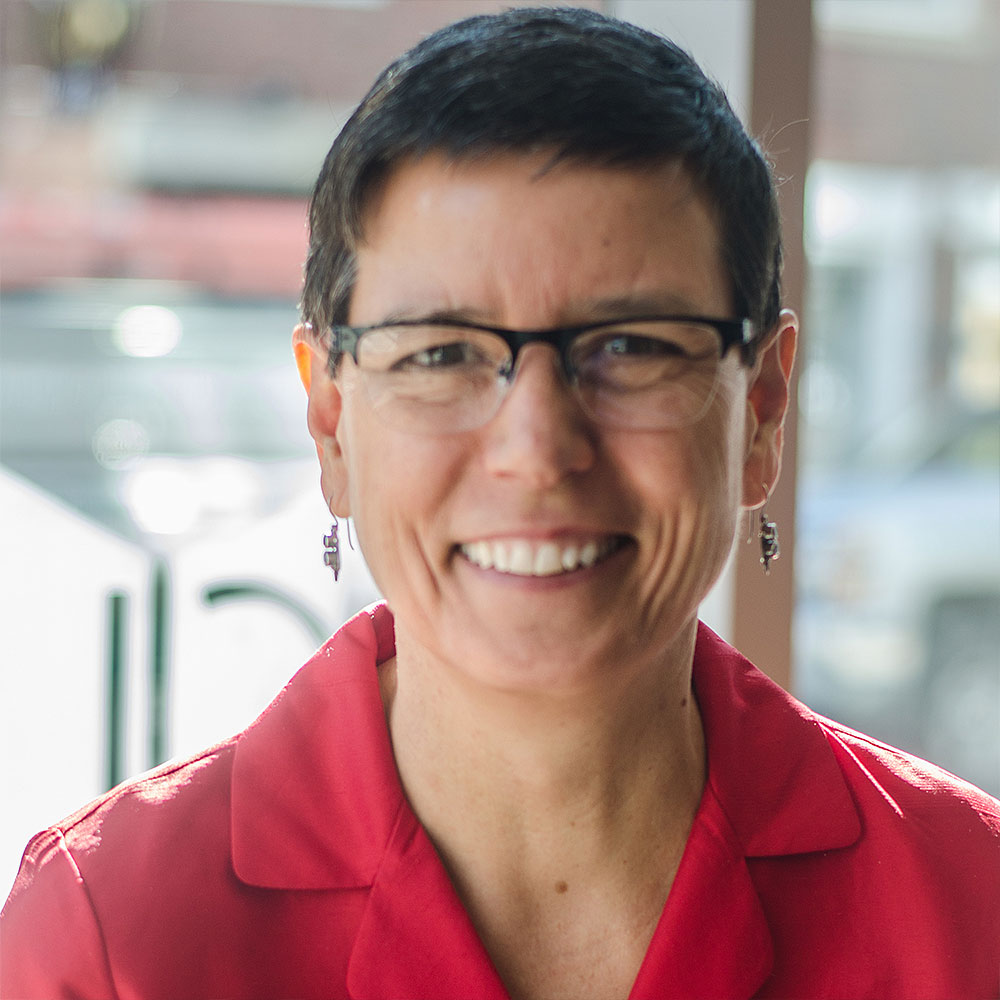
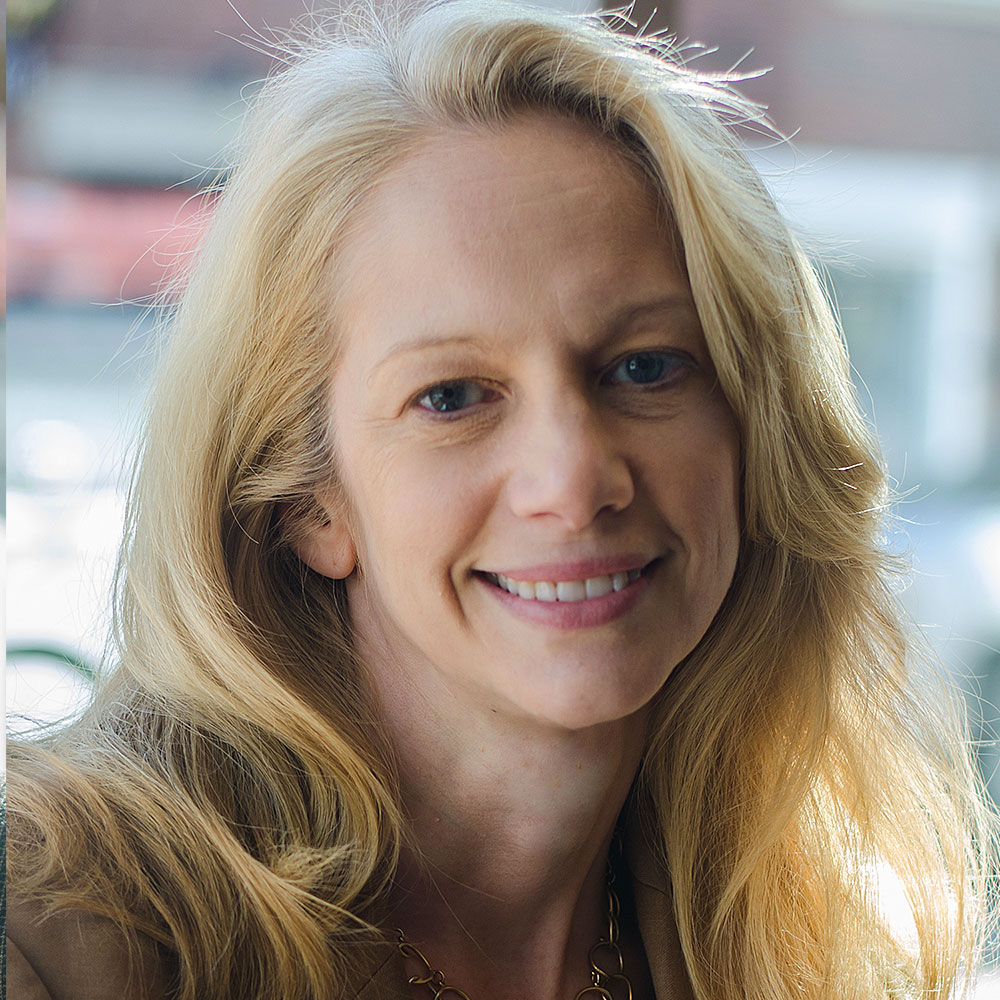
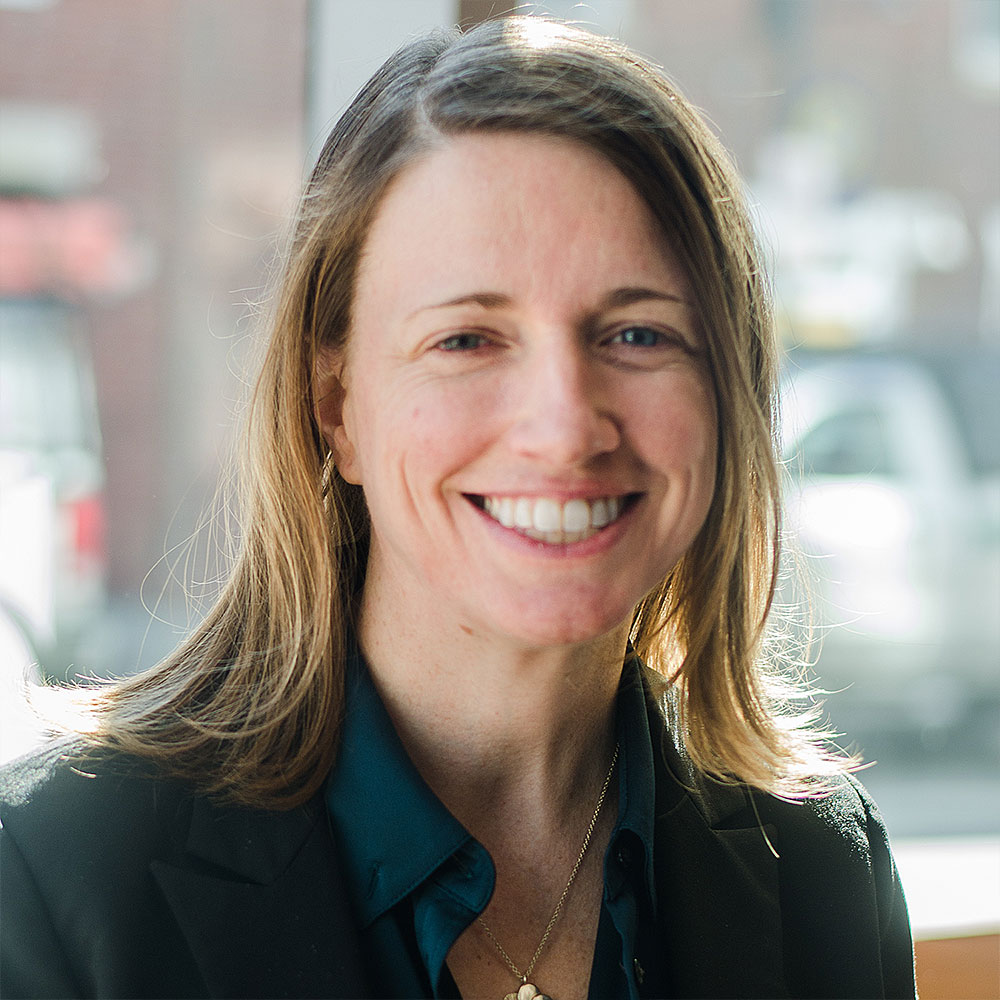
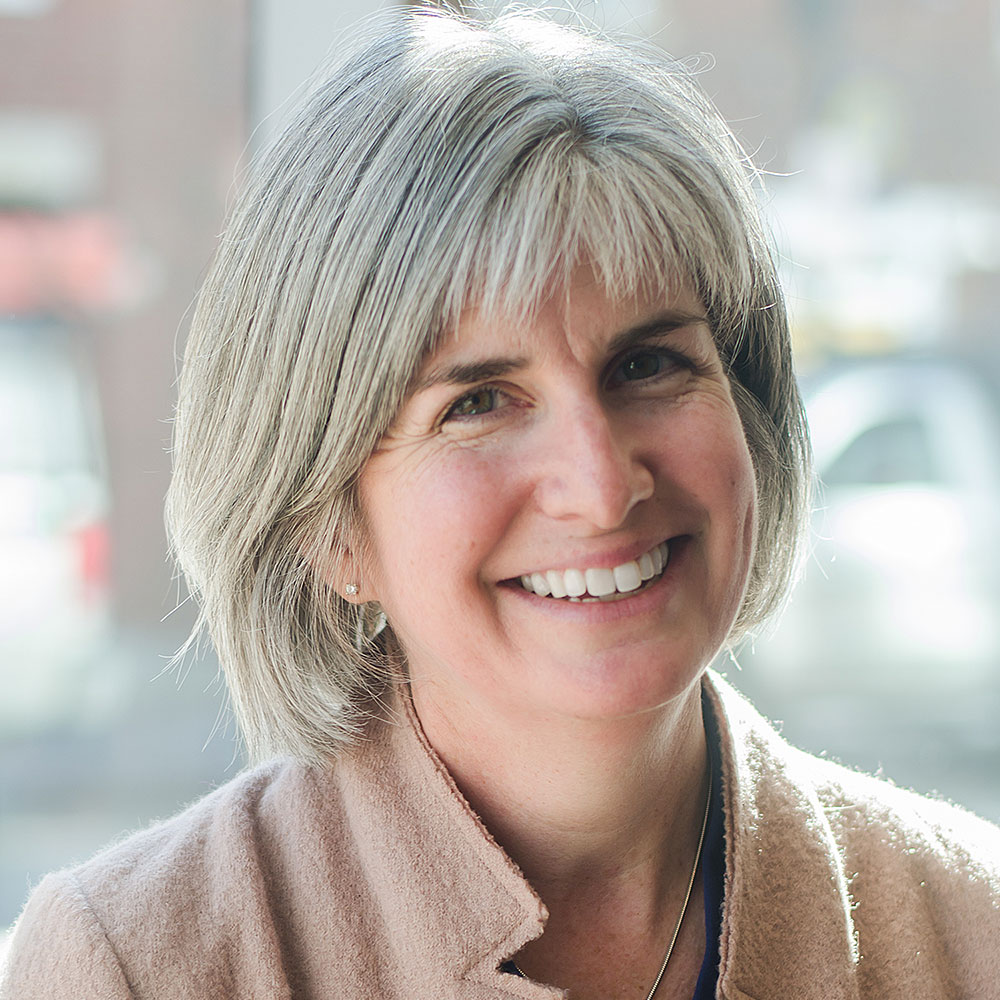
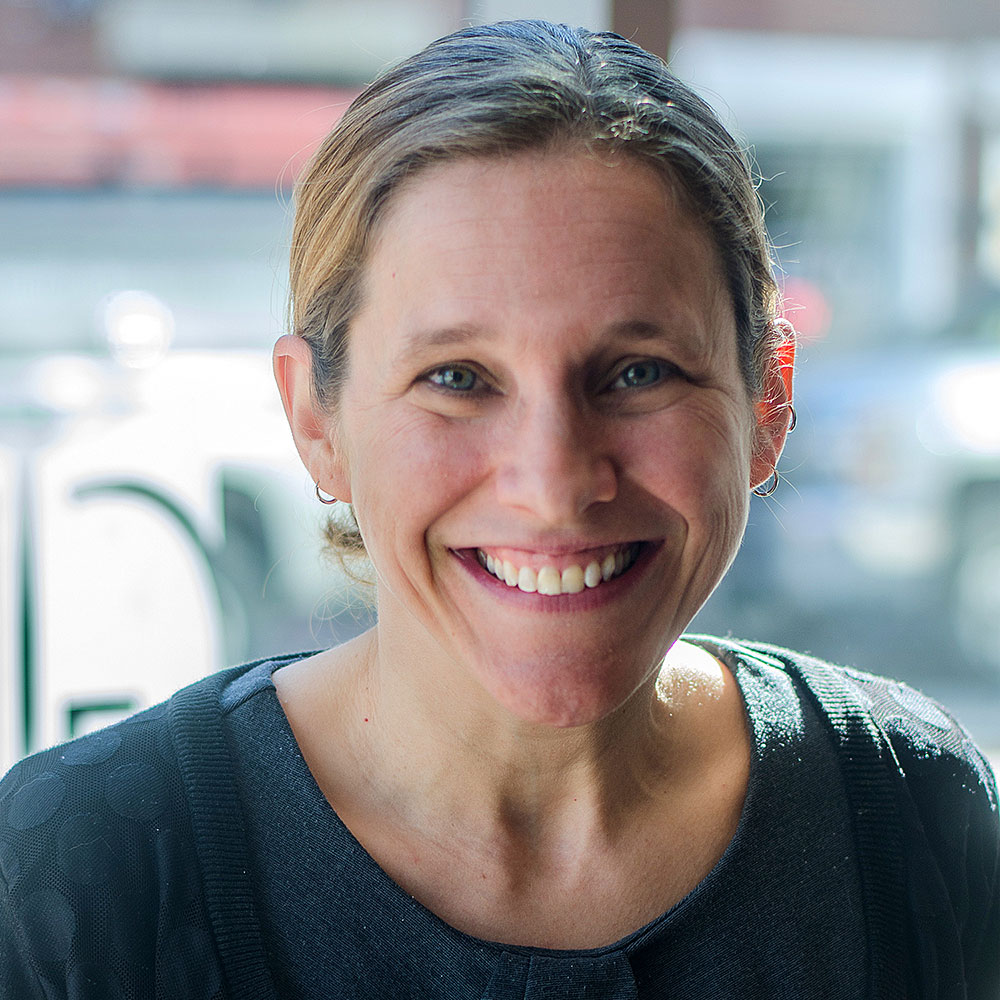
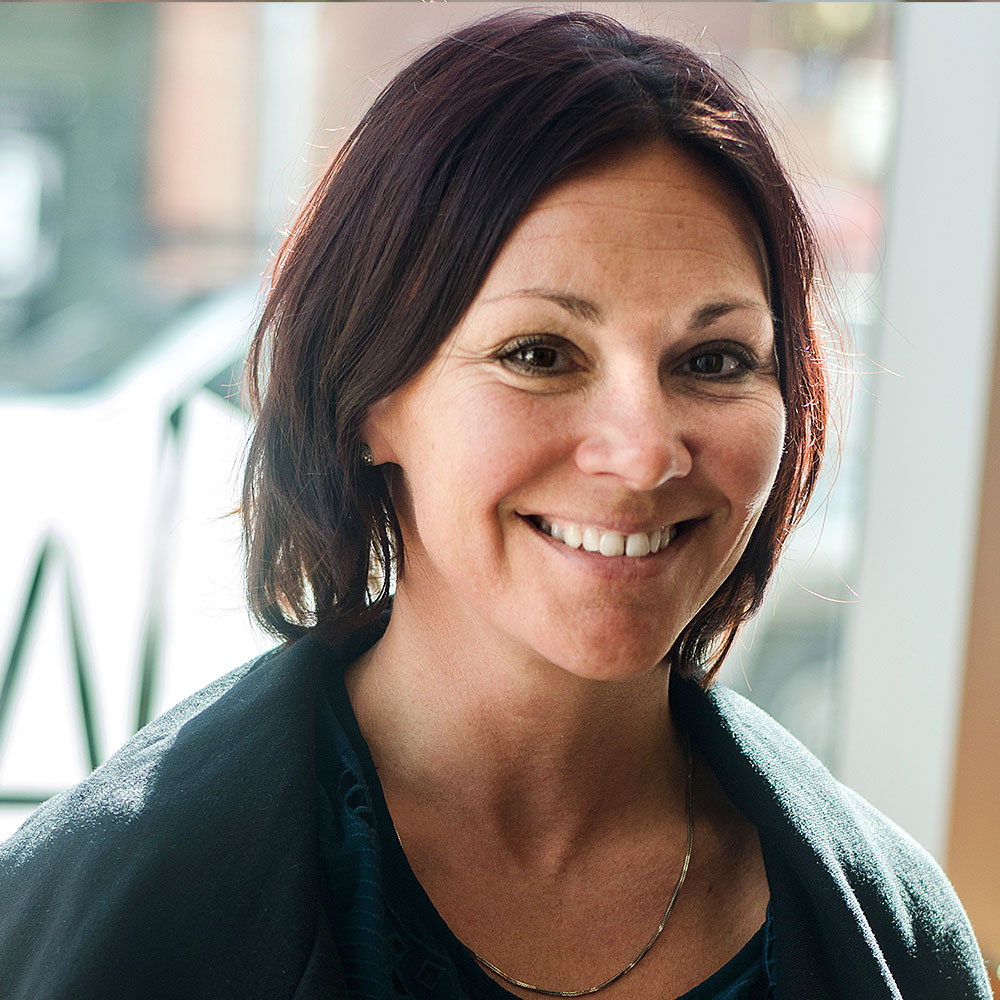
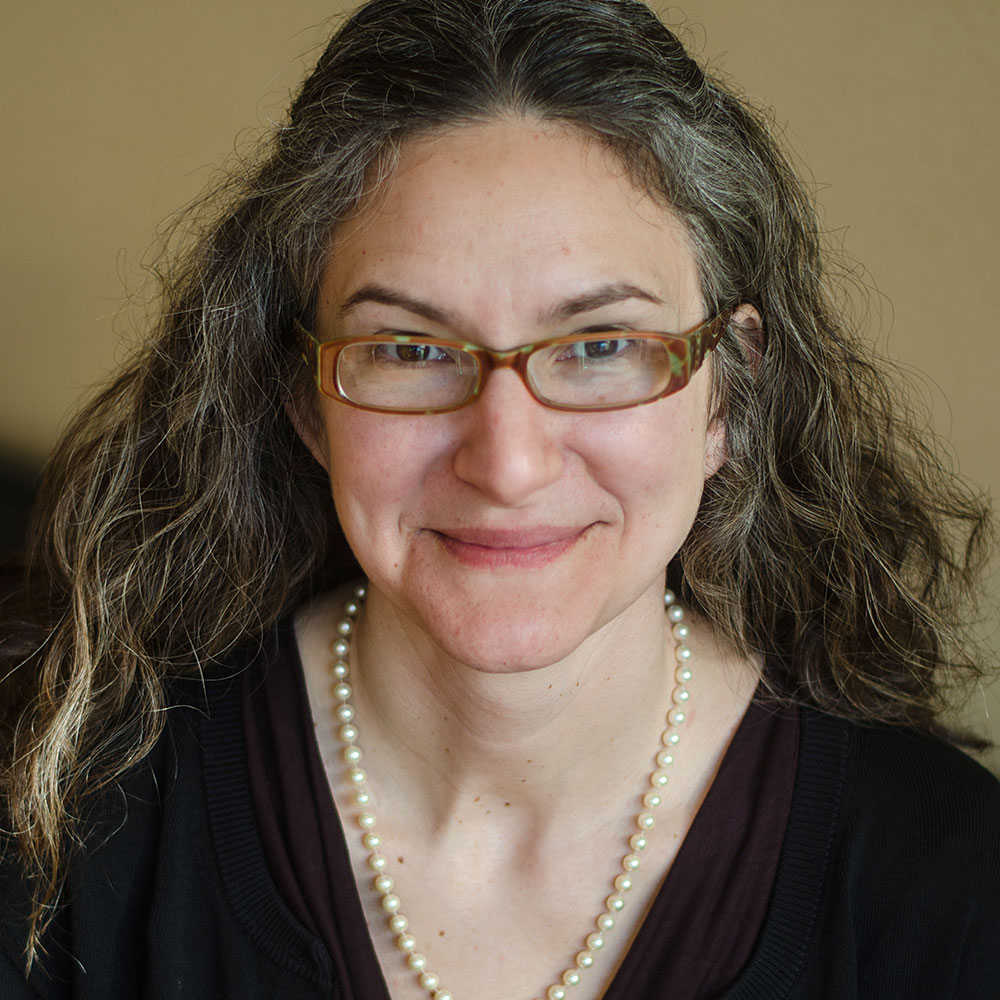
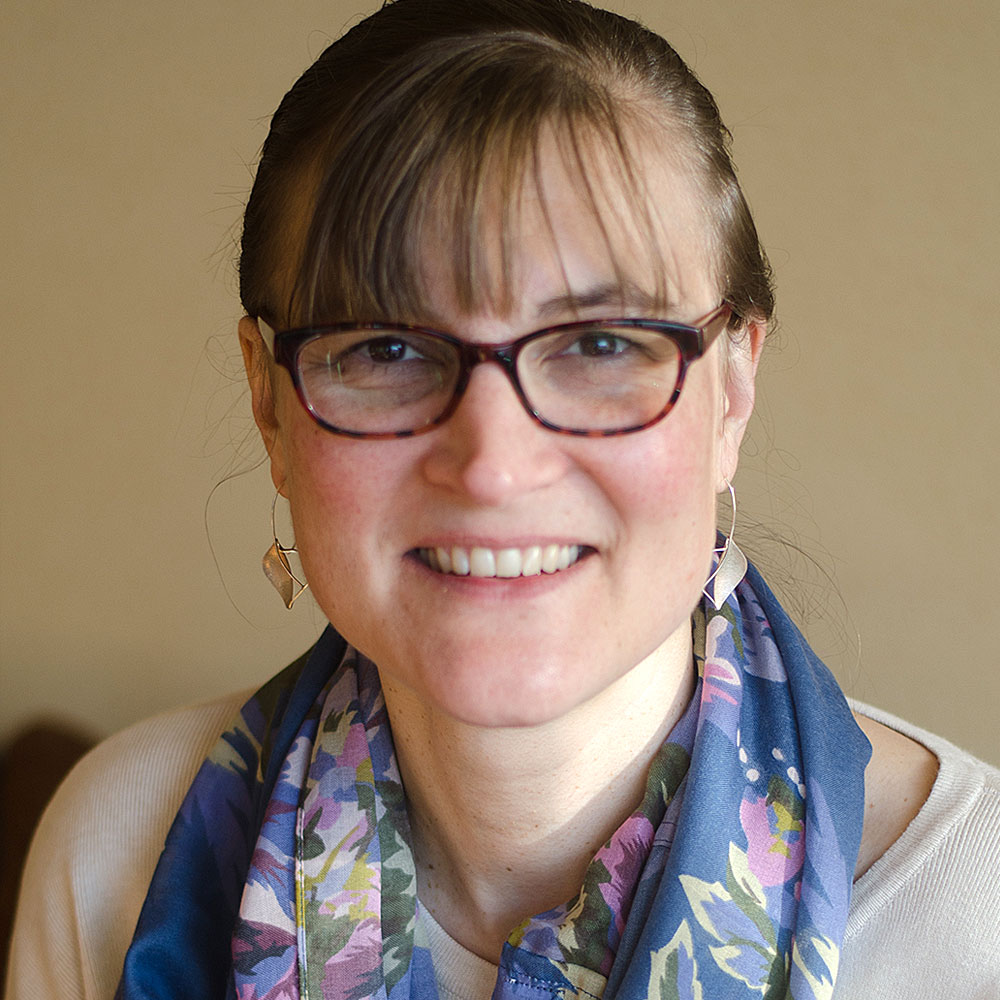
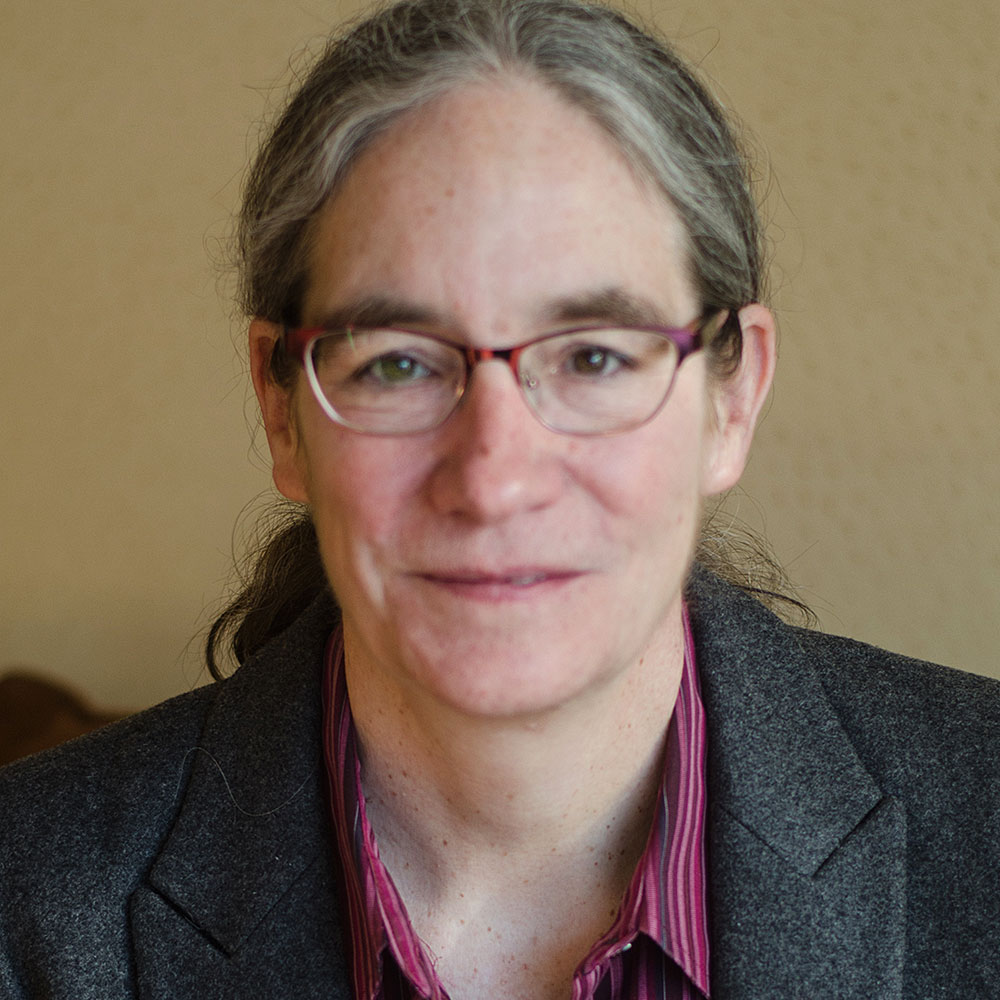
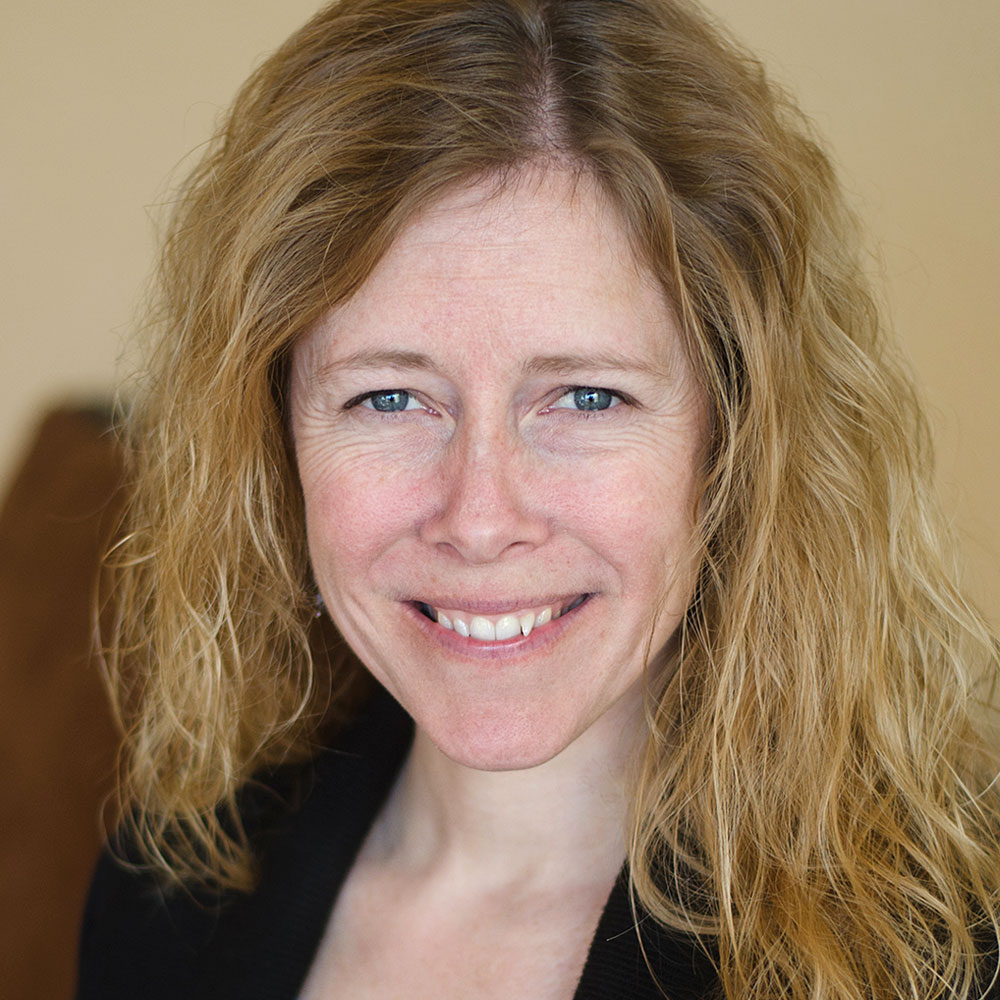
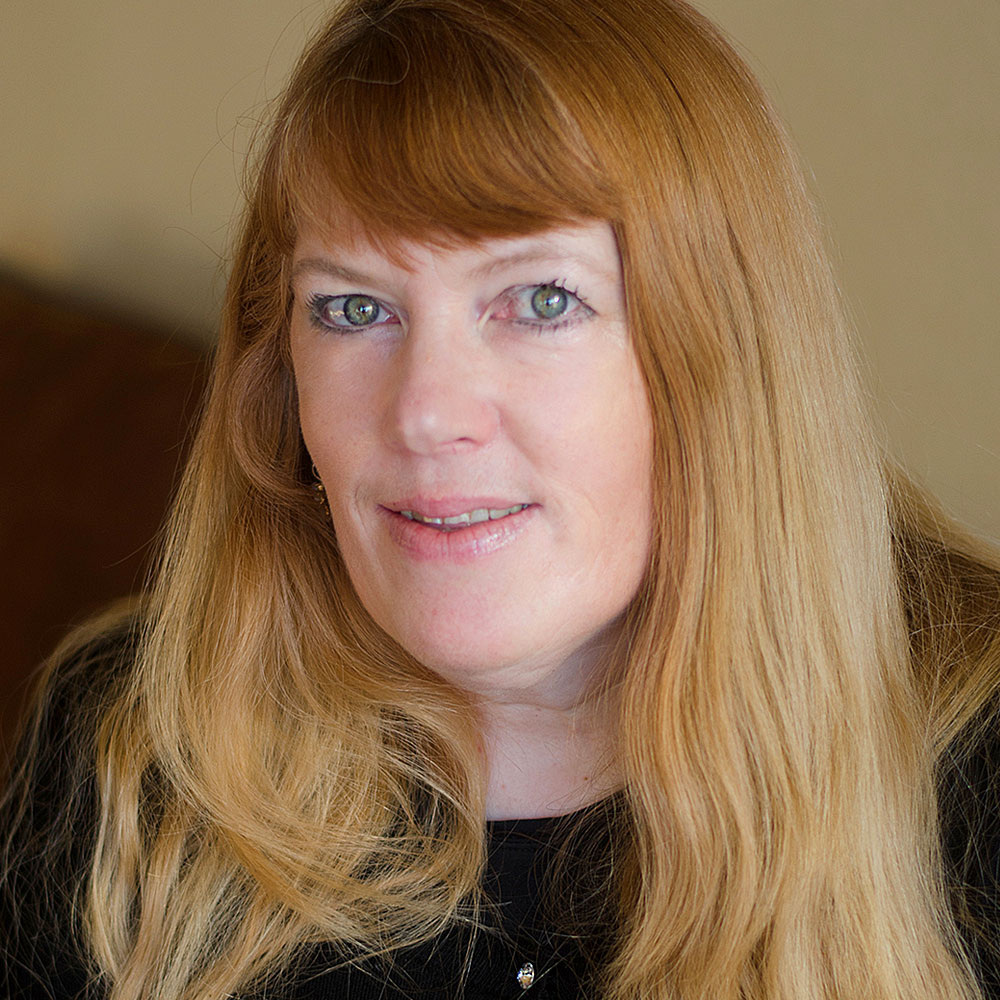
2024 John T. Gorman Fellows

Previous Cohorts

News About Our Fellows

ALICE: Working Hard But Not Getting By

Implemented in Maine since 2023, ALICE (Asset-Limited, Income-Constrained, Employed) is a new measure of financial hardship designed to raise awareness of a key demographic – those who earn above the federal poverty level, but not enough to cover the costs of essentials like housing, food, and child care.
Read Now