For decades, the Federal Poverty Level (FPL) has been the official measure of financial hardship in the United States, serving to track changes in economic need over time, and playing a key role in determining eligibility for individual assistance and community funding. However, many earn above the FPL – $33,000 for a family of four currently – but still struggle to cover the costs of essentials like housing, food, and childcare.
In recent years, states across the country have adopted a new measure to draw a fuller picture of economic need – ALICE: Asset Limited, Income Constrained, Employed. The measure identifies those who earn more than the FPL but not enough to meet ‘survivability budgets’ based on costs of essential items and services within their communities.
In 2023, the United Way of Southern Maine began implementing the measure across the state with support from the John T. Gorman Foundation. The latest report shows that 11% of Maine households are below the FPL and an additional 29% are classified as ALICE – meaning that a combined 40% are experiencing financial hardship. Detailed reports on ALICE in Maine are available here.
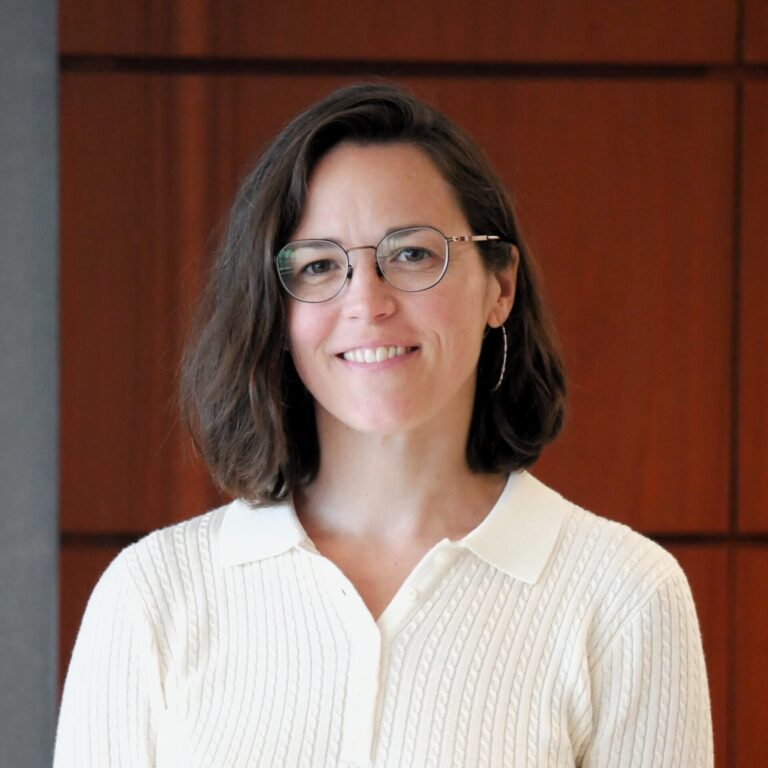
In this interview, we talk to Dan Coyne, President and CEO of United Way of Southern Maine and a John T. Gorman Fellow. He shares how housing and other costs have increased Maine’s ALICE population and how this data is informing conversations of what can be done to help families meet their needs and get ahead.
John T. Gorman Foundation: If we have the Federal Poverty Level, why do we need ALICE?
 Dan Coyne: The Federal Poverty Level was a great step in the 1960s to understand financial hardship across communities. But it hasn’t kept up with changing budget needs. It’s now a woefully insufficient measure of what people actually need to make ends meet. And it’s the same measure across very different places – Portland, Fort Kent, Los Angeles – which we know don’t have the same costs of living.
That’s why we need a different approach, like the ALICE measure, which uses a survivability household budget to show where need is most pronounced. It helps reveal that there are people in every community and across every demographic who are struggling, but who are largely invisible in the Federal Poverty Level data.
JTGF: What goes into the ALICE ‘survivability budget’?
DC: It focuses on the absolute basics needed to get by. It includes rent and utilities, childcare for those with children, food, healthcare, transportation, phone, Internet, and taxes. There’s also a small buffer – about 10% – for unexpected costs like a car repair.
It does not include savings for retirement, entertainment, or vacations. It’s a very conservative budget that reflects survival, not discretionary income.
JTGF: What is the purpose of identifying the ALICE population?
DC: The goal is to bring visibility to people who are working hard but still struggling to afford basic needs.
We can’t solve problems without a shared understanding of what they are. This data helps create that understanding so we can have conversations across sectors about what needs to change.
JTGF: What have we learned since the ALICE measure was introduced in Maine?
DC: ALICE is the fastest growing population in the state. Since 2010, the number of households in Maine has grown 11%, but the number of ALICE households has increased 28%. That signals a vulnerability in the economic system.
What’s important to know is that ALICE really is everyone. Many are folks we would have called heroes in the pandemic – they’re taking care of our kids, delivering packages, providing health services. They’re really the backbone of the economy.
It’s also true that ALICE is over-represented in certain communities – including people of color, younger adults just out on their own, and single-parent households. About three-quarters of Maine households led by single mothers are ALICE.
JTGF: What are the biggest factors driving the increase in ALICE?
DC: Rent is the largest single monthly cost in the ALICE budget. We often say ‘rent eats first.’ It drives so many other decisions.
When rent is high, people face tradeoffs between food, healthcare, transportation, and other essentials. Housing affordability and homeownership challenges are pushing more people into renting, increasing pressure further.
Childcare and food are also top cost categories. Transportation is another major factor, especially in rural areas where public transit is limited.
JTGF: What has been the impact of having ALICE data so far?
DC: People are willing to engage in difficult conversations once they see the data. Many didn’t realize how many neighbors are struggling. We’ve seen conversations shift across town councils, employers, and community leaders. There’s a willingness to ask, ‘What do we do about this?’
For policymakers, this data can help guide shared decisions improve stability and opportunity. For employers, it helps them recognize that there’s an opportunity to support their workers with their own practices and policies. The broader message is that this is a moment that requires collective action. Everyone has a role in building systems where more people can thrive.