 Through its work with partners to promote child well-being, the John T. Gorman Foundation has increasingly focused on relational health – the safe, stable, and nurturing relationships essential to children’s health and development and to the well-being of families overall. Alongside partners, the Foundation is supporting innovative approaches designed to help caregivers strengthen these connections while addressing broader family needs and sources of stress.
Senior Program Associate Jean Cousins, MSW, helps lead this work at the Foundation. In this Q&A, Jean discusses the strategies our partners are using to nurture relational health amid adversity and what we hope to learn from this developing work.
What do we mean by relational health, and why is it so important for children?
Jean Cousins: Relational health is a state of well-being that grows from strong, positive, and nurturing emotional connections with other people and within the environments where we live. Those relationships support not only our psychological and emotional well-being, but our physical health as well.
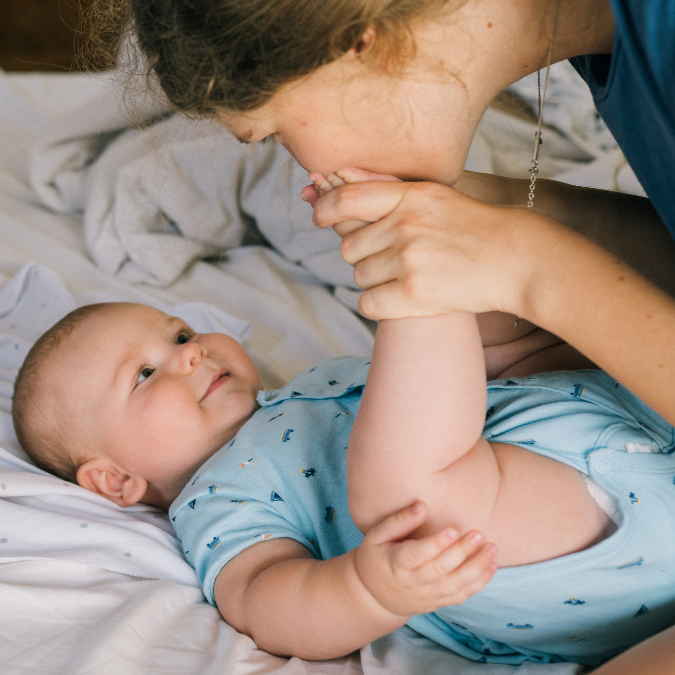
They are especially important in the earliest years because babies’ brains are developing rapidly, and that development happens in the context of their relationships with caregivers. Those connections form the foundation from which babies and toddlers begin to understand and interact with the world. Healthy relationships can also buffer the effects of adversity and toxic stress. Experiencing connection, calm, and joy together can be regulating and healing for both caregiver and child.
What does building that connection look like in everyday life?
JC: It happens through small, consistent moments and routines: getting down on the floor to play, sharing meals, singing, or talking to them while changing their diaper. It is not something that has to happen perfectly. Families already bring knowledge, traditions, and cultural values that help create these moments.
There will also be frustration or conflict, because no caregiver can be at their best all the time. What matters is having opportunities to reconnect and nurture the relationship.
How does adversity influence those relationships?
JC: Parenting is hard under any circumstances. But it is much harder to be calm and present when you are worried about housing, utility bills, food, or childcare. Families may also be navigating substance use, domestic violence, incarceration, child welfare involvement, discrimination, or concerns about their safety. Those pressures place real stress on family relationships.
To relieve that stress at the broadest level, families need their basic needs met – like housing, healthcare, behavioral health, and access to high-quality childcare that works for their circumstances. They also need opportunities to pursue their aspirations with access to education, economic pathways, and social connections. To help families connect to all of these resources, we need systems that reduce barriers and make support easier to find.
What kinds of strategies are the Foundation supporting to help families build relational health?
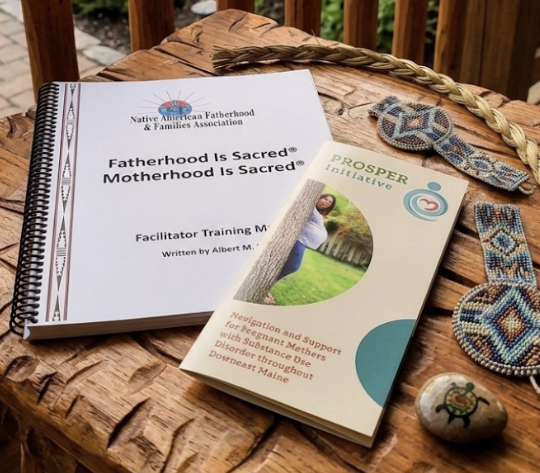
JC: One area we are exploring is integrating trusted allies into systems serving families. These include navigators for families experiencing parental incarceration, Tribal Community Health Navigators, Early Childhood Support Specialists in pediatric clinics, and doulas. Often coming from the communities they serve and sharing lived experience, they understand families’ strengths, cultural values, and challenges.
They also often have more time and flexibility than a clinician may have. They can help a family navigate a complicated system, advocate for what matters to them, connect with services, or simply be a consistent person to call. That trusted relationship in itself can be a buffer against family adversity.
What other themes do you see across this work?
JC: One is deeper collaboration among healthcare providers and community-based organizations – families need help navigating disconnected systems of care and support. A great example is how Supporting Families Growing Together is using Early Childhood Support Specialists to help families build relationships with their pediatricians, make successful connections to referred healthcare providers, and access a network of supports in the community.
Another theme is reducing social isolation by helping families connect with one another. Partners such as Zero to School are showing how bringing families together over time can create lasting bonds and the sense that a community is wrapping its arms around them. Those connections can be just as protective as formal services.
What is the Foundation hoping to learn from these partnerships?
JC: There’s clear evidence that relieving stressors for caregivers gives them more space to build those nurturing connections with their children. But there’s still much to learn about what kinds of supports have the greatest impact on outcomes for children and families, how those efforts should be tailored to the communities they serve, and how relational health strategies can be embedded within family-serving systems and sustained over the long term. Questions like these are driving our work with partners to develop and implement these strategies, document results and learnings over time, and share what we find with stakeholders.
What is most important for people to understand about relational health?
JC: We need to think about it expansively. It includes mothers, fathers, grandparents, other caregivers, whole families, and the communities and systems around them. Bringing the principles of relational health into those environments matters.
Families already hold tremendous wisdom about what they need, what makes them strong, and what brings them joy. Our partners are doing an inspiring job of designing programs with families in ways that recognize and build on that knowledge.