As Maine communities face an upcoming transition in the delivery of developmental services, an initiative in St. George connecting children and families to early supports offers important lessons
A child’s ability to learn and thrive in school is one that is cultivated long before they step foot in a classroom. With the support of their families and communities, children develop those skills and behaviors through their first years of play, caring relationships with adults, interactions with peers, exposure to learning experiences and, if needed, specialized assistance to address delays in their development.
Across Maine, many families are challenged to create those conditions and access the services their children need in these early years. This is especially true in rural communities where families face long waits and long drives for needed services, along with isolation, poverty, and lack of childcare and early learning opportunities.
In recent years, the John T. Gorman Foundation has worked with partners to develop and test strategies to help more families with young children get the support they need. One of the most promising is Zero to School in St. George, an initiative now producing impressive outcomes – more children meeting developmental milestones, families feeling supported, and a model that could help other communities build a strong foundation for their youngest members.
New Strategy Comes at a Critical Transition
Maine has one of the nation’s highest rates of children receiving special education services in school, yet one of the lowest of children receiving early intervention services in the years before.
Over her 20 years in St. George Schools – first as a kindergarten teacher and now as assistant superintendent – Jessica Berry has seen this firsthand. Every year, more children were arriving for their first year of school with special education needs across multiple areas of development. Berry, who has a doctorate in education and is a John T. Gorman Fellow, cited a critical gap: families had received no developmental support before school. Children’s needs weren’t being identified, and those who needed interventions weren’t able to get them.
In 2022, Berry started developing Zero to School as a way to fill those gaps and explore whether earlier support could prevent more intensive needs later on.
The strategy comes at a critical transition for how developmental services are delivered in Maine. Families have been waiting months to receive eligible services from Maine’s Child Development Services (CDS), which has been responsible for serving children with developmental needs through two federally mandated programs – Early Intervention for children ages 0-2, and Free and Appropriate Public Education (FAPE) for 3- and 4-year-olds.
To address the backlog in services, the Maine Legislature recently voted to shift FAPE to local school districts. By 2028, all Maine school districts will be responsible for identifying eligible preschoolers with disabilities and ensuring they receive appropriate services.
Tiered, Preventive Approach Supports All
St. George Schools have already made the transition, with Zero to School playing a critical role. The model has not only helped the community identify children with needs and seamlessly connect them to school services, but has supported healthy developmental opportunities for all families with young children in the community.
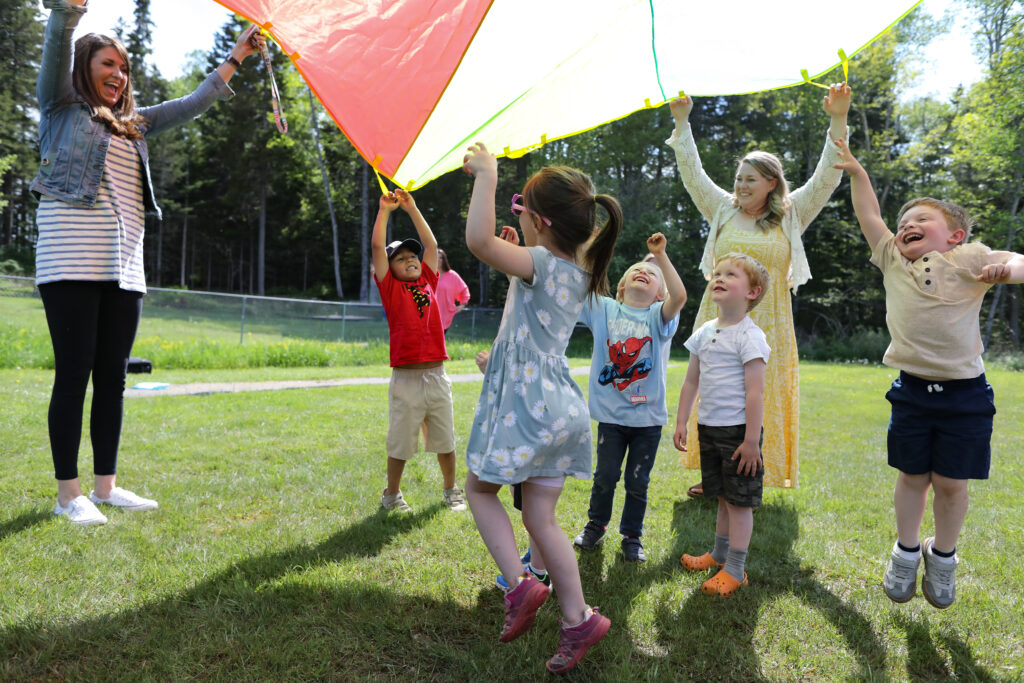
At the base of Zero to School’s multi-tiered strategy are universal supports – developmental screenings for all children, play groups, parent education, and family support. The screenings track children’s progress toward age-appropriate milestones, helping identify both individual needs and trends across the community. Those trends guide targeted activities for multiple children, such as play groups that emphasize particular skills, fine motor kits to use at home, or parent sessions focused on common challenges. Importantly, even if children don’t qualify for specialized services, the extra support helps keep them on track or accelerate progress.
Children who need more individualized attention may receive one-on-one support. And those who qualify for federally mandated services are connected to early intervention services through CDS or, for preschoolers, to evaluations and services through the school system.
Addressing the range of factors that affect child development, Zero to School supports families in other ways as well, including assistance for essential needs like clothing and housing, parenting support groups, and guidance in navigating difficult situations concerning their child’s health and well-being.
Over the last three years, the John T. Gorman Foundation has provided funding to support the development and implementation of Zero to School, as well as assistance in tracking the effectiveness of the strategy. Initial results clearly show a positive impact – children who were behind on developmental milestones when first assessed are now meeting them.
At the same time, Berry said the community’s focus on providing earlier support for families has led to a reduction in the need for special education services. While some students have needed less intensive support, others have been able to transition out of the program. She reported that the decreased need for services has saved the district 28% on its special education budget.
“You can see that prevention is turning the tide on our data,” Berry said.
Families See the Difference
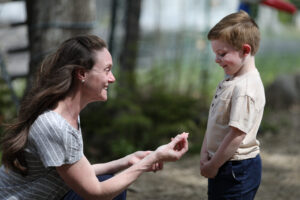
For participating families, Zero to School benefits the health and well-being of the whole family.
Krista Hazlett said the play groups helped her understand where her son was on track and where he could benefit from additional help. The initiative also connected him to services that have supported his progress.
“At almost five now, I can tell the difference in what that early intervention has done for him,” she said.
For Adrian Manders, who has twin boys, connecting with other parents has been especially meaningful. The gatherings provided opportunities for her children to socialize and for her to build friendships, exchange ideas, and share challenges without fear of judgment.
Now a parent leader helping run the initiative’s universal activities, Manders is drawing on her experiences to shape opportunities for other families.
Emerging Lessons for Other Communities
As communities across Maine take on responsibility for preschool special education, Zero to School offers important lessons. Its early results point to the value of reaching children and families sooner, creating opportunities for healthy development, and addressing needs before they become more intensive.
Based on what she’s learned, Berry is developing a set of resources that other communities can utilize to launch similar efforts.
“I would love to see other communities pick it up,” Berry said. “But it’s about an openness to trying something different.”