With support from the John T. Gorman Foundation, community organizations have partnered with schools to help students build confidence, strengthen relationships, and connect with caring adults
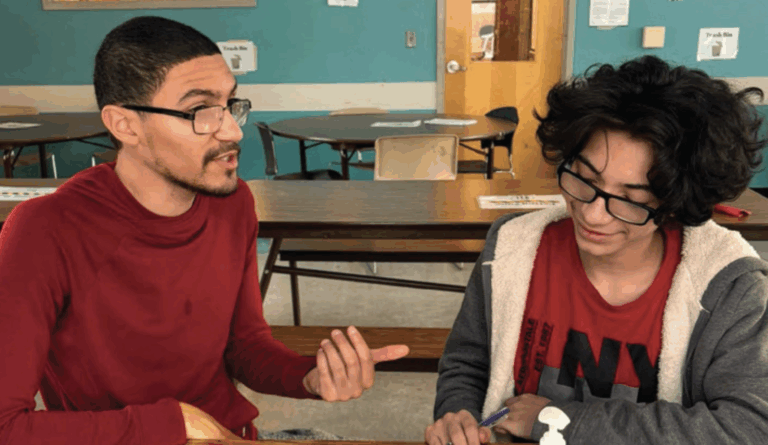
The middle school years are an important time for young people to discover their interests, develop relationships, and build confidence. To connect students with adults who can help them navigate this pivotal point in their development, the John T. Gorman Foundation awarded five grants totaling $450,000 last fall to support rural school partnerships that provide mentoring, enrichment, and social-emotional skill-building. The Foundation recently provided another $525,000 to continue this work at five organizations – Girl Scouts of Maine, Hearty Roots, Maine Seacoast Mission, NorthStar 4H, and Tree Street Youth.
As this work enters its second year, we explore how two of those grantees are using school-based programs to help students build connections, confidence, and a stronger sense of belonging.
Bringing Girl Scouts Within Reach
For Girl Scouts of Maine CEO Mara Robinov-Moorhead, expanding access to Girl Scouts and supporting girls’ well-being go hand in hand. Her time in the John T. Gorman Fellowship helped her develop the plan and partnerships behind this work.
“It’s community, it’s connection, it’s self-acceptance, it’s building confidence,” she said.
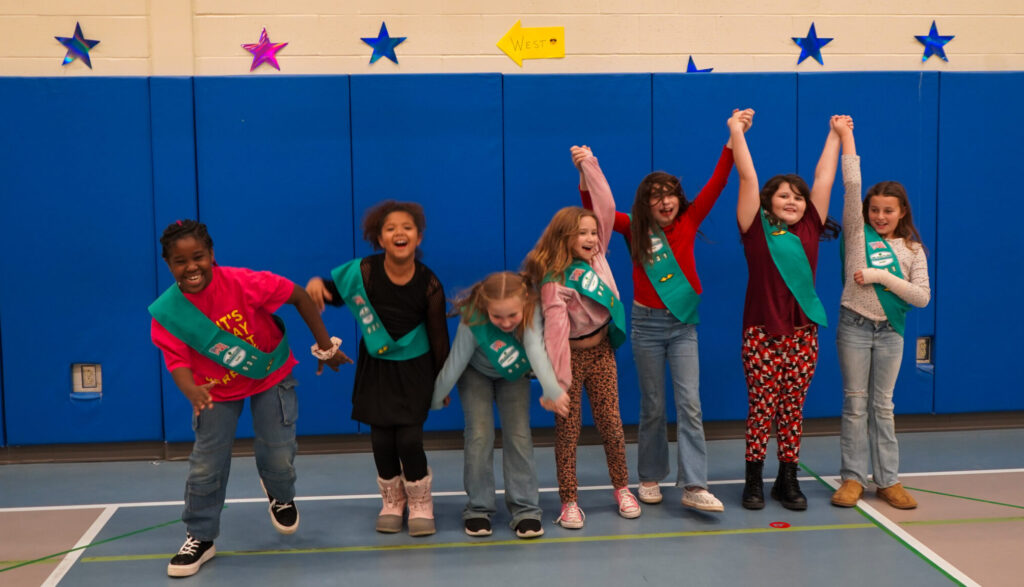
Combined with other funding, the Foundation’s grant has supported weekly afterschool programming for approximately 400 upper elementary and middle school students across 10 rural school districts. The grant allowed Girls Scouts of Maine to clear several barriers to participation – membership fees are covered and meetings take place where girls already spend time, reducing transportation needs.
Schools have helped identify gaps in support and customize activities that give girls opportunities to make decisions together, express their ideas, and navigate disagreements while building relationships with peers and trusted adults.
Megan Main, Director of Community Program, said cultivating a sense of belonging comes first.
“More than anything, I want this to be a place to belong,” she said.
Activities are structured to give girls time to talk things through or decompress. Main has seen those relationship skills develop over time. In surveys conducted before and after programming, girls became more likely to report that they could talk directly with a friend who had upset them, suggesting greater confidence in navigating conflict and maintaining relationships.
Looking ahead, Girl Scouts is focused on maintaining these connections as students grow and developing local leadership to help programs continue.
Building Confidence Through Outdoor Experiences
Based in Damariscotta, Hearty Roots uses a nature-based approach to provide youth with mentoring, positive experiences, and social-emotional support. Over the last school year, Foundation funding helped Hearty Roots expand its school-based mentoring from three to six hours weekly at Medomak and Wiscasset Middle Schools, reaching approximately 350 students.
Haley Bezon founded the organization to help youth build confidence, resilience, and well-being by connecting them with caring mentors and meaningful experiences in the outdoors.
“We’re helping kids discover that they are stewards of their well-being and mental health,” she said. “The outdoors is the vehicle and the relationships they form are the drivers.”
Hearty Roots has adapted the program to schools by using adjacent outdoor spaces to create opportunities to build relationships through a range of hands-on activities, such as carving spoons out of wood, building a fort, or snowshoeing. Along the way, students practice communication and talk about friendships, coping strategies, and conflict. Drawing on positive contributors to youth mental well-being, the program aims to help students feel that they belong, have caring adults and friends to turn to, and that their ideas are heard.
For many, the outdoor setting also creates an opportunity to overcome challenges through growth and supportive relationships. Bezon told the story of one middle school girl who initially resisted the outdoor group her counselor had signed her up for. But after several months of encouragement, the student joined a weeklong coastal expedition with the same two instructors she had come to trust during the school year. Although she lived near the coast, she had never been kayaking or out on the bay.
“Turns out I actually do like nature,” she wrote in her feedback.
For the coming year, Bezon hopes to increase on-site mentoring to about eight hours weekly and bring school groups to the Bremen campus for longer visits, potentially including overnight stays.
“Young people don’t necessarily need more adults telling them what to do,” Bezon said. “They need more adults who have the time and the opportunity to really know them.”